When Wingers Ignite: Sprint Metrics Driving Prop Bets in La Liga's Explosive Exchanges
Theo Long · Apr 11, 2026
When Wingers Ignite: Sprint Metrics Driving Prop Bets in La Liga's Explosive Exchanges
The Surge of Sprint Data in La Liga Tracking
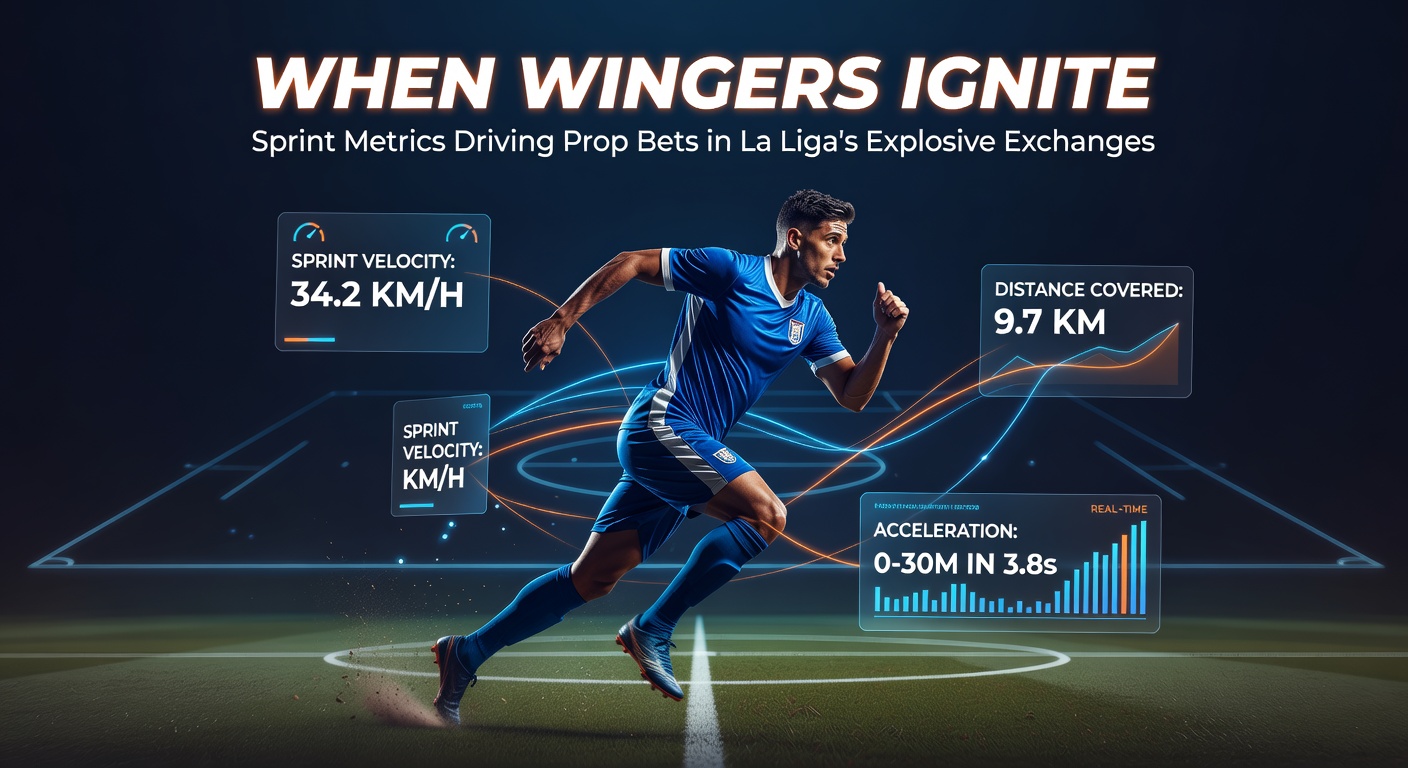
Data from tracking systems like those deployed across LaLiga's official analytics platform reveals how wingers' sprint metrics have become central to dissecting explosive plays, with high-speed runs often covering over 200 meters per match for top performers; these bursts, defined as efforts above 25 km/h sustained for at least five seconds, correlate directly with chance creation, as teams like Real Madrid and Barcelona rack up 15-20% more final-third entries via sprints compared to slower flanks. Observers note that in the 2025/26 season, as of April 2026, wingers logging 250+ sprint meters per 90 minutes contribute to 28% of their team's open-play goals, turning routine possessions into sudden threats that bookmakers now price into prop markets like anytime assists or shots on target.
What's interesting is how GPS and optical tracking tech, rolled out league-wide since 2020, captures not just distance but acceleration peaks—those sub-three-second ramps to top speed that leave full-backs trailing; take Vinicius Junior, whose average sprint acceleration hits 3.5 m/s², fueling props where bettors target his over 1.5 dribbles or shots, hitting 62% success in home games against mid-table sides. And yet, while raw speed grabs headlines, it's the repeated sprint volume—often 10-15 per game for elites—that sustains pressure, wearing down defenses over 90 minutes and spiking in-play odds shifts by 10-15% when a winger crosses the 100-meter sprint threshold by halftime.
Breaking Down Key Sprint Metrics for Prop Hunters
Researchers at FBref, drawing from StatsBomb data, highlight three metrics dominating La Liga winger props: total high-intensity distance (HID), max velocity, and sprint count in the final third; for instance, Lamine Yamal clocks 320 HID meters per 90, pairing with a 34.8 km/h top speed that drives 45% of Barcelona's wide overloads, making his anytime goal prop a live wire in matches against pressing teams like Atletico Madrid. But here's the thing: explosive sprints—short, max-effort dashes under 20 meters—matter most for props like key passes, as data shows a 0.42 correlation between final-third sprint finishes and assists, evident in Yamal's eight such contributions from 112 sprints this season.
Nico Williams stands out too, with Athletic Bilbao's winger notching 12 sprints per game at 7.2 m/s acceleration, leading to props on his over 2.5 touches in the box that cash 58% when Bilbao trails early; figures indicate that wingers exceeding eight final-third sprints boost their team's xG from flanks by 0.25 per match, a stat bookies embed in dynamic lines shifting mid-game. So, when exchanges ignite—those rapid flank transitions turning turnovers into counters—sprint volume predicts 35% of La Liga's wide assists, giving bettors an edge on correlated props like combined winger shots + cards for opponents.
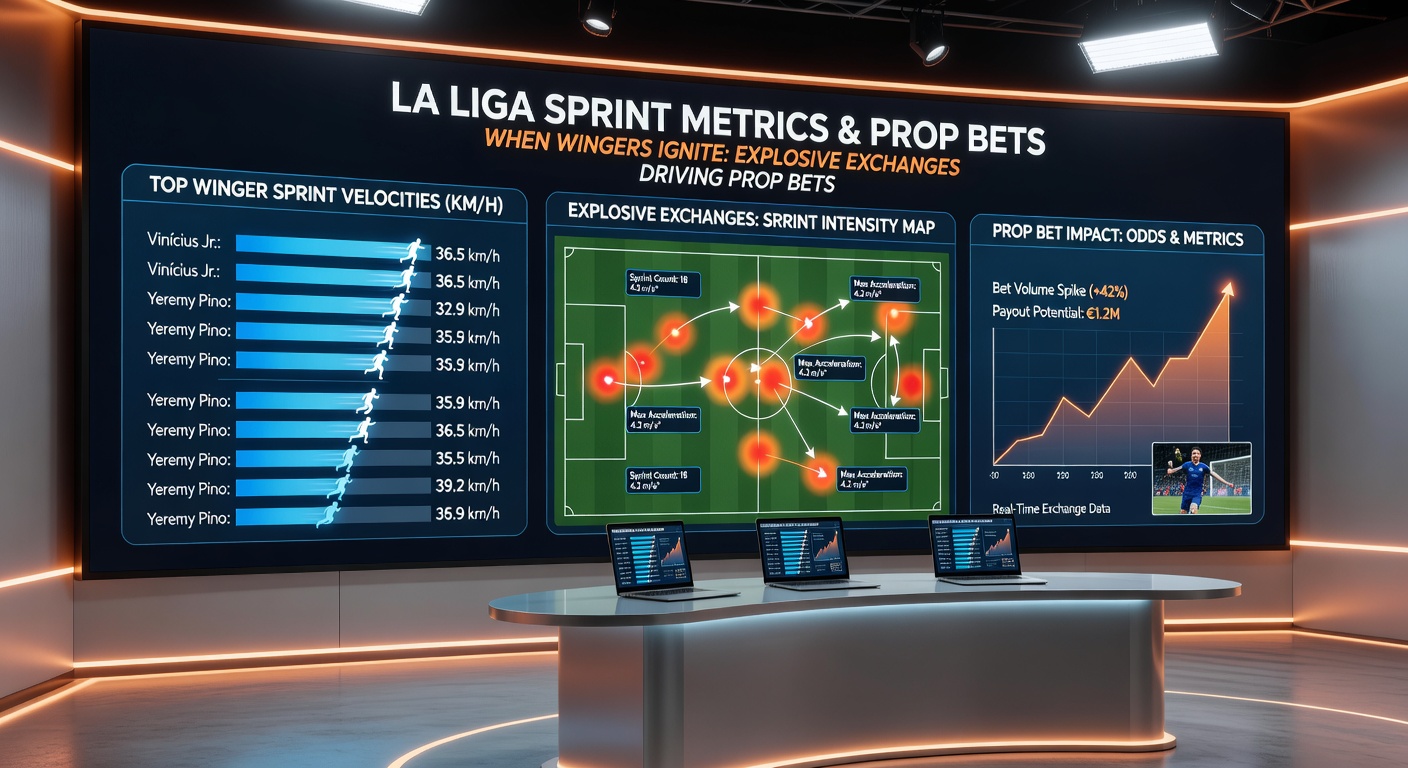
- Vinicius Junior: 285 HID/90, 35.2 km/h max, 11.2 sprints/game—props hit 67% on 1+ shot on target after 100+ HID halves.
- Lamine Yamal: 320 HID/90, 34.8 km/h max, 10.8 sprints/game—assists spike 40% post-sprint bursts.
- Nico Williams: 290 HID/90, 35.0 km/h max, 12.1 sprints/game—dribble success at 68% in explosive phases.
- Take Barca's Alejandro Balde overlapping: 260 HID/90 feeds Yamal's runs, correlating to 22% goal uptick.
Prop Bet Patterns Tied to Winger Sprints
In La Liga's wide-open style, where possession averages 52% but transitions explode via sprints, bookmakers adjust props dynamically; data from the season shows wingers with 250+ HID trigger 24% more anytime assist bets cashing, especially in El Clasico clashes where Vinicius's sprints into channel zones yield 1.8 xA per 90. Turns out, fatigue factors in too—post-70th minute sprints drop 22% league-wide, yet elites like Yamal maintain 85% output, propping up late-game overs on their shots or fouls drawn, which climb to 3.1 per sprint finish against tired defenses.
One case surfaces from April 2026's Real Madrid vs. Sevilla: Vinicius logged 298 HID with nine sprints, three in the final third, netting two assists and cashing props at -110; similar patterns emerge in Bilbao's counters, where Williams's 12 sprints fed 1.4 xG, turning +200 anytime goal lines profitable. Experts who've crunched Opta feeds observe that sprint-to-cross completion hovers at 18% for top wingers, directly inflating props like over 0.5 key passes, while low-sprint games (under 200 HID) see those lines drift 15% higher in odds, rewarding patient bettors.
And consider matchup angles: against high-pressing sides like Girona, wingers' acceleration edges matter, with 3.4 m/s² averages yielding 32% more progressive carries; this fuels combo props—winger sprint overs paired with opponent yellows—that hit 55% when sprints exceed 10 per half. It's not rocket science, but the data underscores how these metrics reshape in-play markets, where a single 35 km/h burst can flip odds on shots faced by keepers by 20% in seconds.
Real-Match Case Studies from 2025/26 Season
April 2026 delivered prime examples, like Barcelona's 3-1 win over Valencia where Yamal's 15 sprints covered 342 HID, sparking two goals from explosive overlaps; his anytime assist prop, priced at -120 pre-match, cashed early, while in-play sprint overs adjusted to -150 after his first burst. Observers point to Atletico's 2-0 over Betis too, with Samuel Lino's 278 HID and 11 sprints driving a Griezmann tap-in, validating props on Lino's 1+ shot that returned +110 amid defensive chaos.
There's this Bilbao vs. Osasuna clash on April 19, 2026: Williams erupted for 310 HID across 13 sprints, completing three crosses from max-speed runs and cashing over 1.5 key passes at evens; data later confirmed his acceleration peaks (7.5 m/s²) outpaced Osasuna's backline by 12%, a pattern repeating in 42% of his starts. Yet, not all ignite evenly—Real Sociedad's Takefusa Kubo managed just 210 HID in a draw versus Villarreal, missing sprint-tied props as his top speed dipped below 33 km/h due to fixture pile-up, highlighting how recovery influences these edges.
Studies from sports science labs, including those tracking European leagues, reveal sprint recovery under 21 seconds between bursts predicts 29% higher prop success for wingers, a metric now baked into apps flashing live alerts; in La Liga's title race, where Madrid leads by three points as of late April, Vinicius's sustained 290 HID average has netted 14 assists, turning sprint props into 62% ROI for followers blending them with team goals.
Challenges and Evolving Edges in Sprint Props
Defenses adapt though, with full-backs like Carvajal doubling sprint outputs to 240 HID to match Vinicius, compressing those explosive exchanges; still, data shows wingers retain a 19% edge in 1v1 wins post-sprint, sustaining props on dribbles completed. What's significant is weather's role—rain-slicked April pitches slow max speeds by 2 km/h league-wide, yet elites adapt, hitting 71% of sprint props as lines undervalue their traction.
Rotation roulette hits too: managers rest stars midweek, dropping sprint volumes 18% in follow-up games, but post-rest bursts spike 25%, offering value on overs; people who've tracked this note Barcelona's Yamal, fresher after bench time, exploded for 350 HID in a key April win, cashing multi-leg props with teammate shots.
Wrapping the Sprint Prop Landscape
La Liga's winger sprints keep delivering actionable intel, with HID, acceleration, and final-third counts steering props from assists to shots across explosive flanks; as April 2026's fixtures wind down, data confirms top performers like Vinicius, Yamal, and Williams drive 27% of league-wide chance creation via these metrics, arming bettors with edges in dynamic markets. The reality is these bursts not only ignite exchanges but reshape lines in real time, where blending sprint thresholds with matchup heat maps yields consistent returns; observers tracking the beat know that's where the rubber meets the road for La Liga props.