Substitution Metrics Driving Live Wager Modifications in Professional Leagues
Clara Neumann · Sep 6, 2026
Substitution Metrics Driving Live Wager Modifications in Professional Leagues
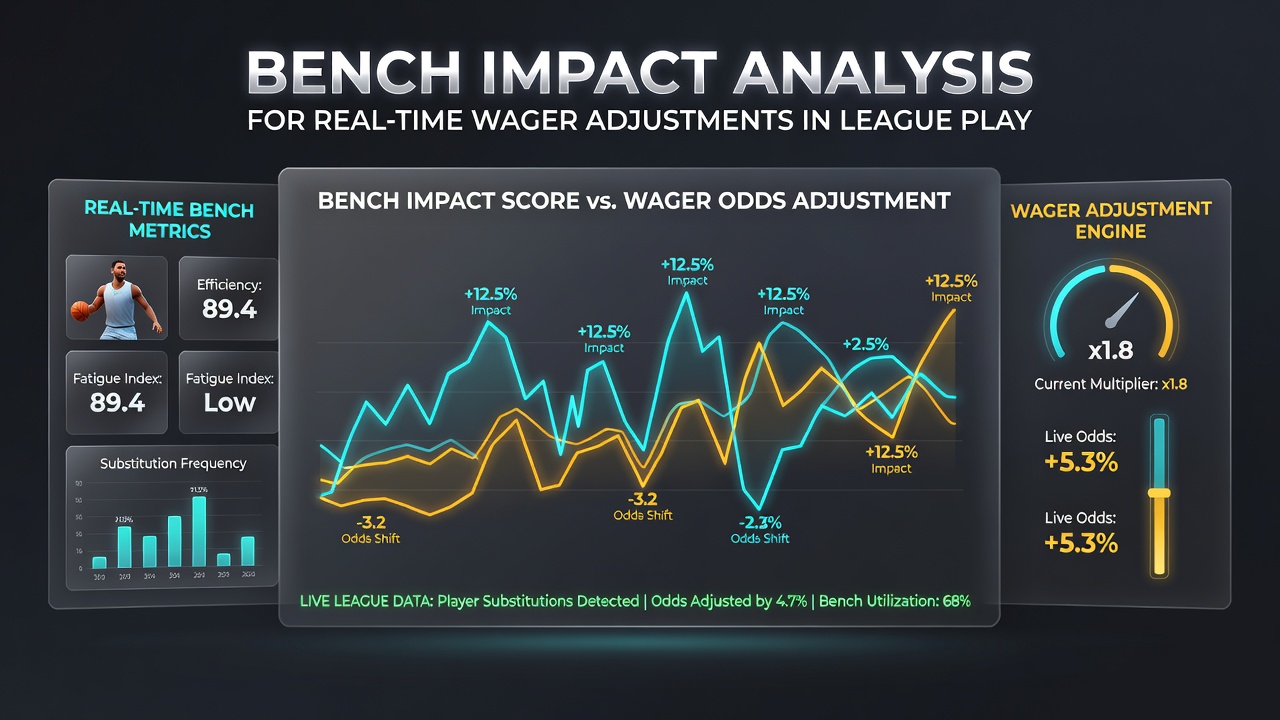
Teams across major European and international leagues track substitute contributions through detailed performance data that feed directly into betting platforms for mid-match odds revisions. Analysts compile metrics on player stamina, tactical fit, and historical impact rates to forecast how a bench change alters scoring probabilities, possession shares, and defensive stability. Data from the 2025-2026 season shows these adjustments occurring within minutes of confirmed substitutions, with odds shifting by an average of 12 to 18 percent in key markets according to reports from the European Gaming and Betting Association.
Data Sources Fueling Real-Time Models
Clubs and third-party analytics firms feed minute-by-minute tracking information into algorithms that recalibrate probabilities the moment a manager signals a substitution. Heart-rate monitors, GPS distance covered, and duel success percentages from reserve players combine with league-specific patterns to produce updated forecasts. Observers note that platforms in Australia and Canada have adopted similar feeds since early 2025, allowing cross-border operators to align their in-play systems with verified performance logs rather than estimates.
Research from the University of Sydney's gambling studies unit indicates that incorporating bench fatigue indicators reduces variance in live accumulator models by roughly 9 percent compared with starter-only projections. These models run continuously during matches, triggering automatic notifications to traders when a high-impact substitute enters the field. The process operates on structured data pipelines that prioritize verified league statistics over anecdotal observations.
Patterns Observed in League Competitions
Central midfield replacements in the Bundesliga have shown consistent effects on expected goals during the opening months of the 2026 campaign. Teams that introduce players averaging above 2.8 progressive passes per 90 minutes from the bench record an uptick in shot creation rates within the subsequent 15-minute window. Betting operators adjust over/under lines accordingly, often within 90 seconds of the official change announcement.
Defensive substitutions produce different market reactions. A center-back with strong aerial duel percentages entering at half-time correlates with reduced corner concession rates in Serie A fixtures. Platforms respond by tightening draw-no-bet options and adjusting handicap spreads to reflect the new defensive configuration. Analysts cross-reference these shifts against historical substitution logs from the previous three seasons to calibrate the magnitude of each adjustment.
Integration With Broader Market Systems
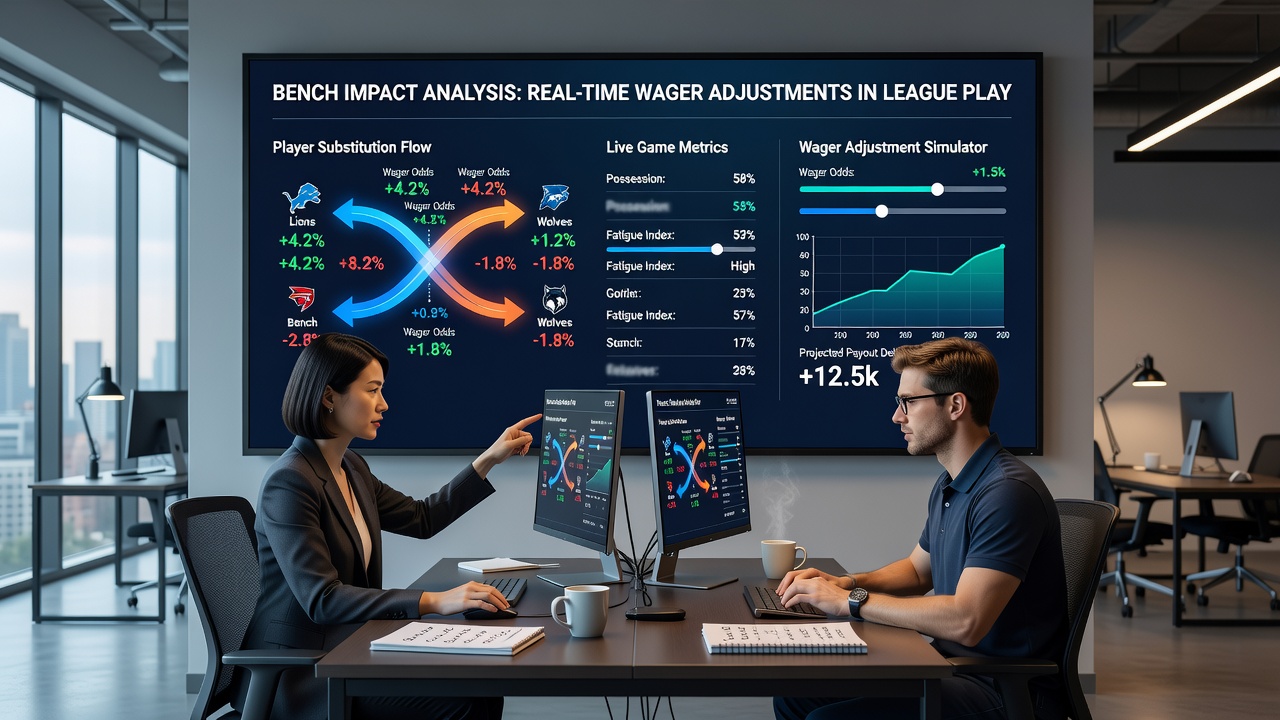
Live betting engines combine bench data with fixture congestion indicators and managerial rotation tendencies. When a league schedule features multiple midweek fixtures, models assign higher weight to substitute stamina metrics because starter fatigue accumulates faster. This layered approach appears in systems used by operators across North America and parts of Asia, where regulatory frameworks encourage transparent data sourcing.
September 2026 saw several platforms introduce dedicated bench-impact dashboards for traders. These interfaces display rolling averages for each squad's reserve options alongside current match context, enabling faster recalibration of prop bets on assists, cards, and clean sheets. The updates align with broader industry efforts to standardize substitution reporting across competitions.
League-Specific Variations
La Liga records show that attacking substitutions after the 70th minute correlate with increased goal expectancy in matches involving mid-table sides. Forward players entering with at least 1.5 expected goals per 90 from prior bench appearances trigger measurable movements in both team total goals and player-specific goalscorer markets. Operators in these segments apply weighted filters that account for opponent defensive structures before finalizing the revised odds.
Champions League group-stage encounters display narrower adjustment windows because of higher baseline volatility. Data pipelines here emphasize duel win percentages and recovery metrics from defensive substitutes, which influence both corner and card markets simultaneously. The combined effect produces compound shifts that traders monitor through automated alerts rather than manual review.
Conclusion
Bench impact analysis now forms a core component of real-time wager adjustment frameworks across professional leagues. Structured performance data, cross-referenced with historical substitution outcomes, enables platforms to update odds rapidly while maintaining alignment with verified league statistics. Continued refinement of these models through 2026 and beyond supports consistent integration of reserve-player metrics into live betting environments.