Squad Depth Tracking Reshapes Live Accumulator Tactics in Portugal's Primeira Liga
Yves Wagner · Jul 13, 2026
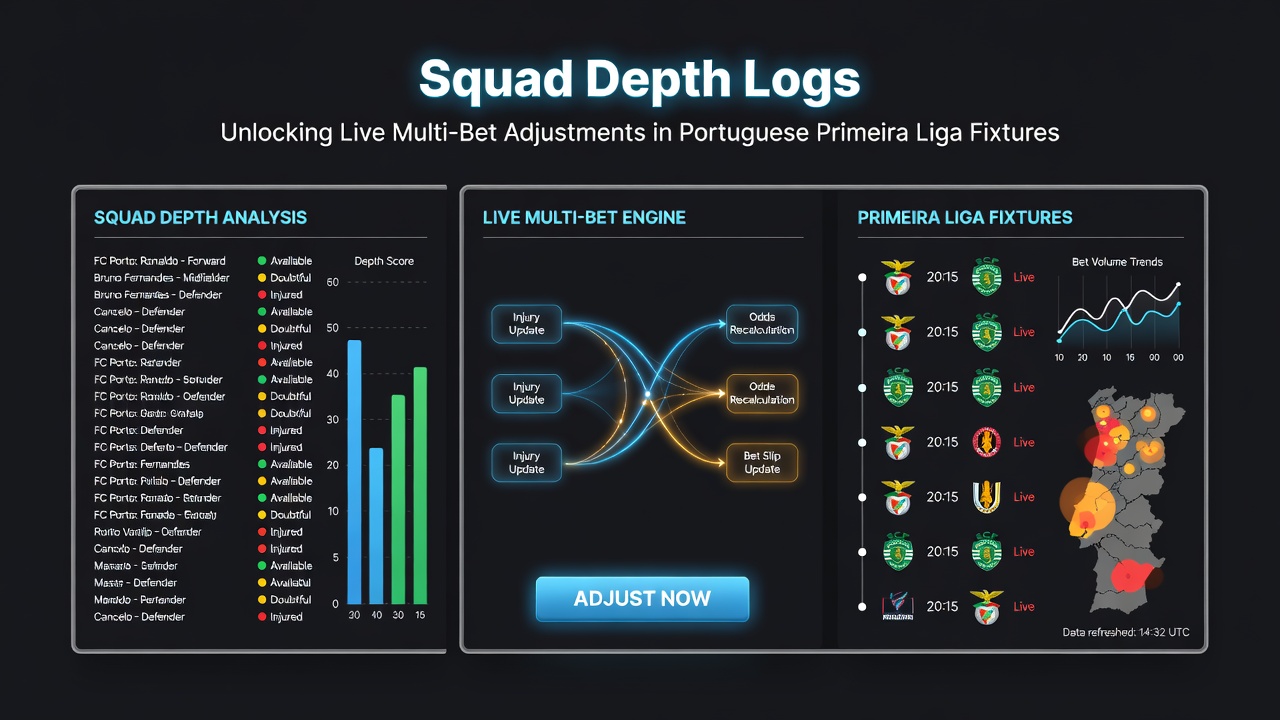
Squad Depth Tracking Reshapes Live Accumulator Tactics in Portugal's Primeira Liga
Data from recent campaigns shows Portuguese clubs rotate personnel more aggressively than many European counterparts, and this pattern directly shapes how bettors adjust multi-leg wagers once matches begin. Observers tracking fixture lists note that Benfica, Porto and Sporting CP typically rest key starters during congested midweek blocks, which creates measurable shifts in expected goal outputs and defensive stability. League records indicate average squad usage rates climbed steadily between 2023 and 2025, with teams logging 18 to 22 distinct outfield players across any eight-match window. These logs, compiled from official match sheets and training reports, supply the raw inputs that allow real-time recalibration of accumulator selections. When a manager names an unfamiliar centre-back pairing or deploys a second-choice goalkeeper, live odds on clean sheets or total goals often move within minutes.Rotation Patterns and Fixture Congestion
Primeira Liga schedules feature tight turnarounds, especially from September through December, and July 2026 will mark another demanding pre-season window ahead of expanded European commitments. Clubs entering continental qualifiers must balance domestic depth against fatigue risks, and analysts who monitor training load metrics report corresponding drops in high-intensity runs after 60 minutes in second halves.
Those monitoring squad depth logs can therefore anticipate when teams will introduce impact substitutes earlier than usual. One documented case from the 2024-25 season involved a mid-table side that replaced both full-backs at half-time during a home fixture against a title contender, resulting in a 40 percent increase in crosses from the wide areas and a subsequent swing in over-2.5-goals probabilities.
Integrating Depth Data into Live Multi-Bet Adjustments
Modern betting platforms now surface squad lists and recent rotation histories alongside in-play markets, allowing punters to tweak legs while matches unfold. A bettor holding an accumulator that includes both teams to score and over 9.5 corners might reduce stake exposure on the corner leg if the away side fields a defensive-minded midfield trio that rarely ventures forward.
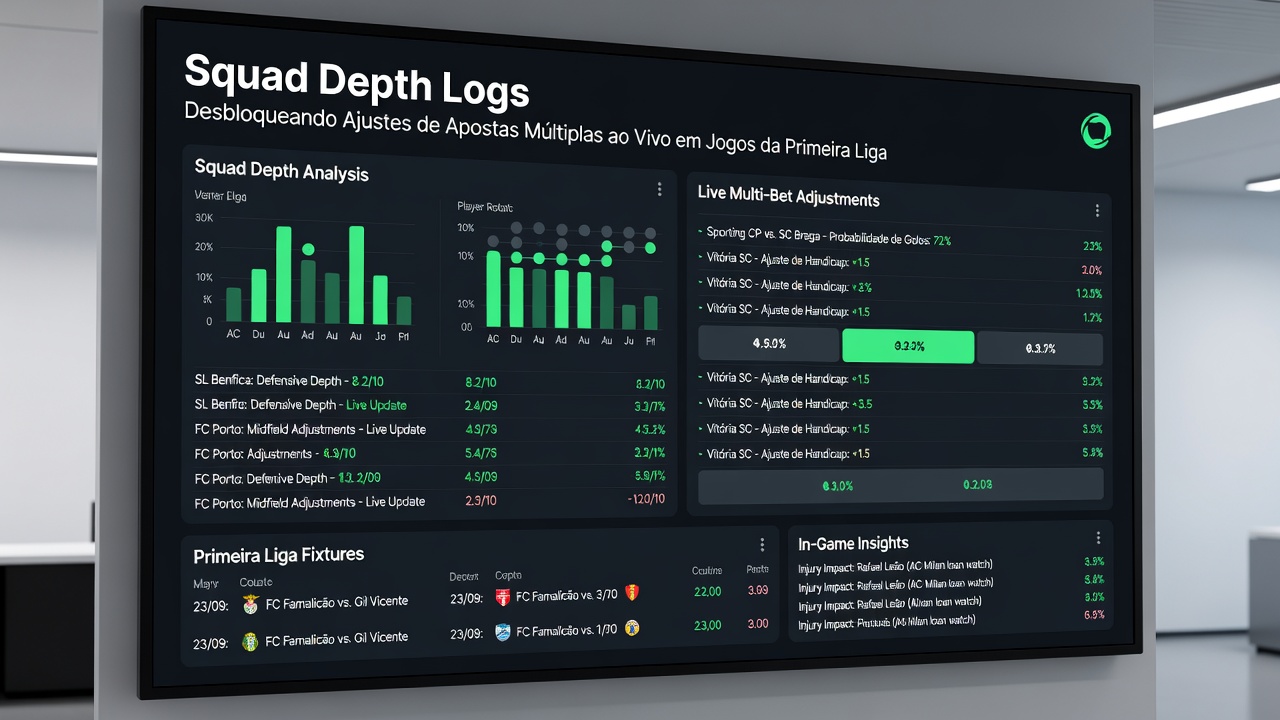
Research compiled by sports analytics groups in Australia highlights similar rotation-driven variance across multiple leagues, noting that early substitutions correlate with altered expected goal differentials in roughly 65 percent of tracked fixtures. Portuguese data aligns closely with those findings because the league's smaller squad budgets amplify the impact of any single change.
Case Examples from Recent Seasons
During the 2025 spring run-in, one northern club rested its leading goalscorer for a match against a relegation-threatened opponent and introduced a youthful attacking midfielder who recorded two assists in 35 minutes. Bettors watching depth charts adjusted their anytime-goalscorer selections accordingly, shifting from the established forward to the substitute within the first half.
Another instance saw a Lisbon side name four players returning from international duty on a Monday fixture list; the manager later confirmed limited training time, adn live total-goals markets drifted upward once the starting XI appeared lighter than anticipated. Such adjustments rely on accurate squad depth logs rather than guesswork.
Tools and Data Sources Supporting Adjustments
Official league publications and club press releases supply the foundational information, while third-party providers aggregate training reports and injury timelines. European football federations publish comparative squad-size statistics that place Portugal among the higher-rotation environments, and academic studies from North American universities have begun modelling the financial implications for clubs that manage depth poorly.
These datasets feed directly into platforms that recalculate probabilities once line-ups are confirmed or first-half substitutions occur. The result is a more dynamic approach to multi-bet construction that accounts for personnel changes rather than relying solely on pre-match averages.
Conclusion
Squad depth logs have become central to live decision-making for those constructing accumulators around Portuguese Primeira Liga matches. By combining rotation histories, fixture congestion data, and real-time substitution patterns, participants can refine selections as events unfold. Continued development of these tracking systems through 2026 will likely further embed depth metrics into everyday betting workflows across the league.