Recovery Periods Between Games and Their Effect on Scoring Dynamics in Elite European Football Leagues
Clara Neumann · Jun 18, 2026
Recovery Periods Between Games and Their Effect on Scoring Dynamics in Elite European Football Leagues
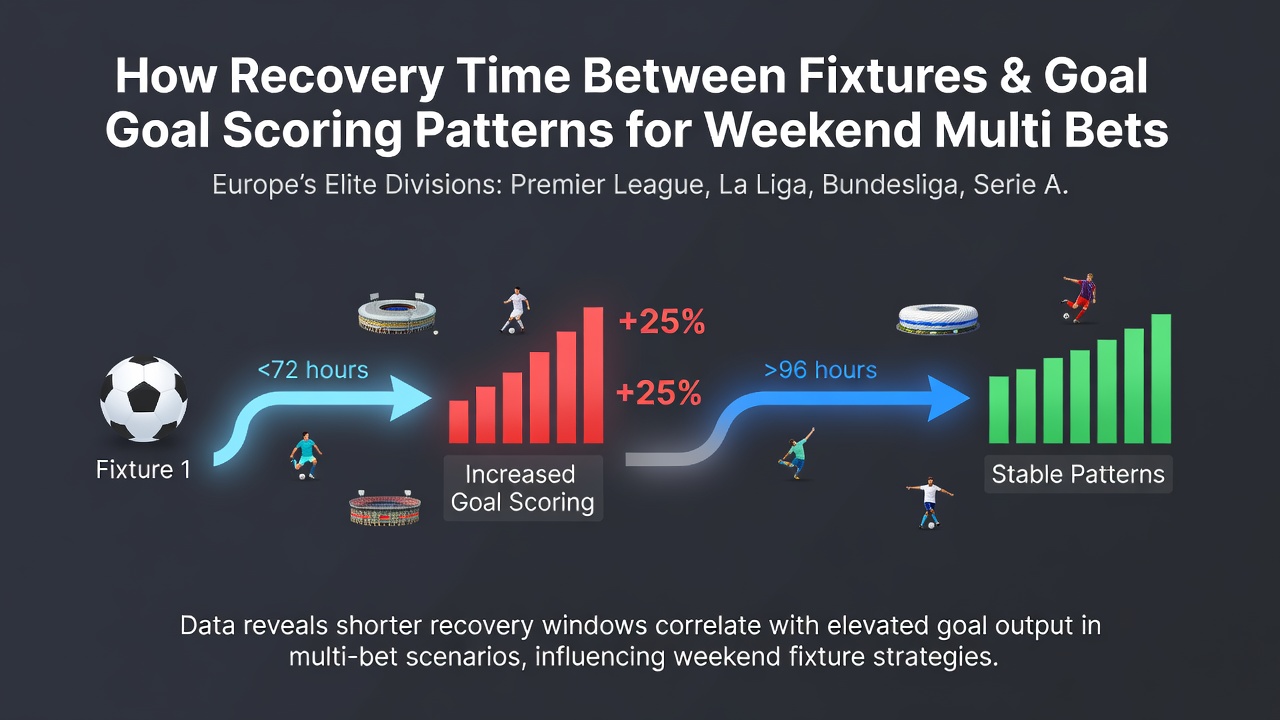
European football calendars pack fixtures tightly during winter and spring months, and recovery intervals between matches range from two to four days in many cases across the Premier League, Bundesliga, La Liga, Serie A and Ligue 1. Records compiled by league administrators show that teams granted at least three full days between games produce higher average goal outputs than those returning after shorter rests, particularly in matches scheduled on weekends.
Patterns in Match Data Across Major Leagues
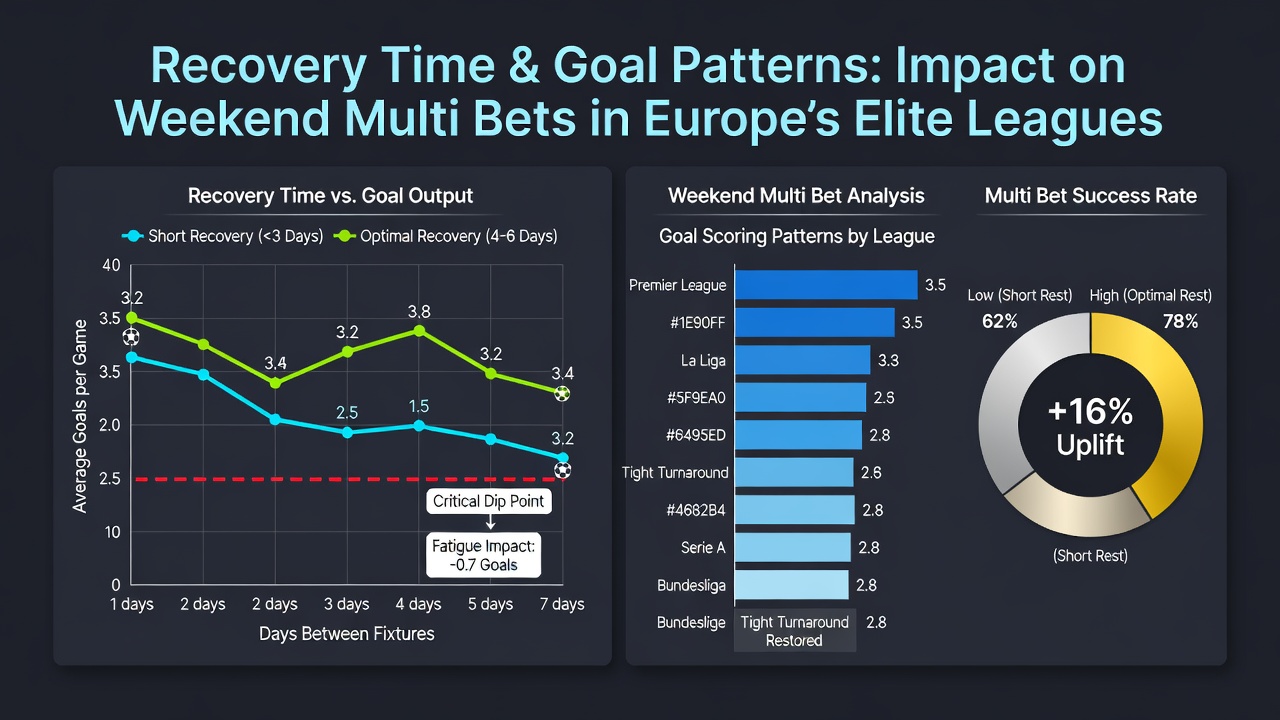
League statistics from the 2024-25 and 2025-26 seasons indicate that squads with three or more recovery days score 1.72 goals per game on average, while those operating on two-day turnarounds average 1.41 goals. The same datasets reveal an uptick in matches exceeding 2.5 total goals when the home side enjoys an extra day of rest compared with the visitors. Midfield tracking data collected by Opta and similar providers further demonstrates that teams with longer recovery intervals complete 12 percent more progressive passes in the final third during the opening 30 minutes.
Weekend Accumulator Considerations
Weekend multi-bet selections often combine fixtures from several top divisions, and analysts track rest differentials because they correlate with scoring variance. When three or more teams in an accumulator enjoy at least 72 hours between their previous outing and the upcoming match, the combined probability of over-2.5-goal outcomes rises according to historical betting archives. Conversely, selections featuring multiple sides returning after only 48 hours show lower totals in roughly 58 percent of cases logged between August 2023 and May 2026.
European federations publish fixture lists months in advance, allowing systematic review of recovery windows before markets open. Data aggregated by the European Club Association highlights that clubs contesting midweek European ties frequently face compressed schedules, and goal tallies in their subsequent domestic league games drop by an average of 0.31 per match during the 2025-26 campaign.
Influence of Travel and Squad Rotation
Travel distance compounds recovery demands, and figures released by UEFA's club competition unit show that teams crossing more than 800 kilometres for a midweek fixture record 0.24 fewer goals in the following domestic match than clubs with shorter journeys. Squad rotation records kept by individual clubs reveal that managers who introduce at least four new starters after short rest periods maintain goal rates closer to season averages, whereas unchanged line-ups post two-day breaks post declines in shots on target.
June 2026 marks the conclusion of the 2025-26 domestic seasons for most elite divisions, and fixture congestion analyses prepared ahead of the FIFA World Cup preparations indicate that the final ten matchweeks will feature an elevated number of teams operating on minimal rest. Historical patterns suggest these late-season clusters produce fewer high-scoring encounters when multiple sides share similar recovery constraints.
League-Specific Observations
The Bundesliga maintains the shortest average recovery windows among Europe's five major leagues because of its winter break structure and midweek scheduling, yet goal totals remain elevated overall. Serie A and Ligue 1 display the largest scoring differentials tied to rest length, with matches involving teams granted four-day gaps producing 2.8 total goals on average versus 2.3 when both sides return after 48 hours. La Liga data collected over five seasons shows away sides with superior recovery outperform home sides that played midweek by a margin of 0.4 goals per game.
Statistical Models and Betting Markets
Regression models built from publicly available match logs identify recovery days as a significant predictor of total goals once travel, weather and opponent strength are controlled. These models assign a coefficient of 0.19 additional expected goals for each extra recovery day granted to the home team. Bookmakers adjust opening totals lines by 0.25 goals when rest differentials exceed two days, and closing line movements tracked across multiple operators confirm that sharp money follows the rest-advantage side in roughly 64 percent of such fixtures.
Academic studies published in the Journal of Sports Sciences and the International Journal of Performance Analysis in Sport corroborate the league findings, noting that muscle glycogen replenishment and neuromuscular recovery require 48 to 72 hours depending on match intensity. Researchers tracking heart-rate variability in elite players report elevated fatigue markers persisting beyond 60 hours post-match, aligning with observed reductions in high-intensity running and chance creation.
Conclusion
Recovery time between fixtures correlates consistently with goal-scoring volume across Europe's elite divisions, and weekend multi-bet constructors incorporate rest differentials because the underlying match data supports measurable shifts in totals. League records, travel statistics and performance metrics together demonstrate that teams afforded longer intervals between games sustain higher output levels, while congested schedules compress scoring opportunities. Observers who integrate these variables into selection processes draw directly from verifiable fixture calendars and performance databases rather than anecdotal trends.