Pressing Zones Redefining Live Betting Markets for Accumulators in Europe's Top Leagues
Theo Long · Aug 20, 2026
Pressing Zones Redefining Live Betting Markets for Accumulators in Europe's Top Leagues
Pressing zones in modern football have become a central factor in how live accumulator markets adjust during matches across Europe's elite divisions, and data from multiple tracking systems shows clear patterns in turnover rates that feed directly into odds recalculations. Teams employing structured high presses in the final third generate regains that shift expected goal values within minutes, prompting bookmakers to recalibrate accumulator legs in real time. Observers note that this dynamic plays out consistently in leagues where possession-based styles meet aggressive counter-pressing setups.
Defining Pressing Zones and Their Tactical Application
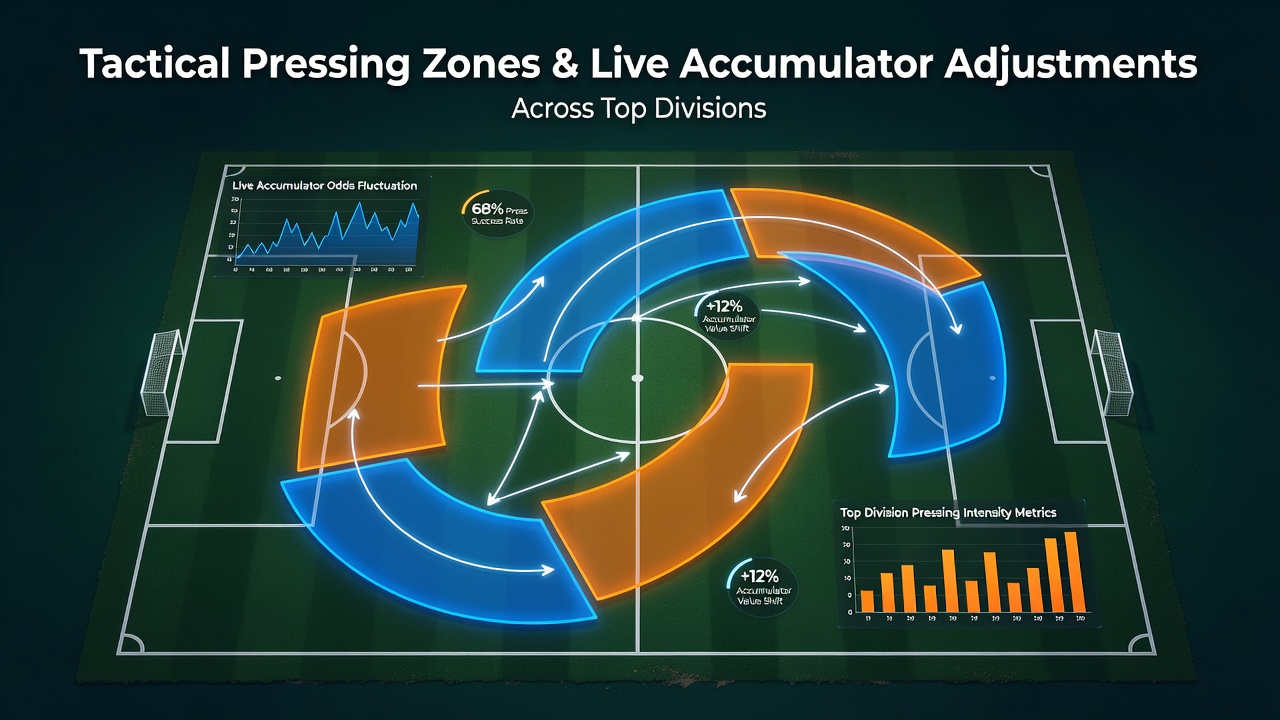
Pressing zones divide the pitch into high, middle and low blocks, with each area dictating the intensity and trigger points for defensive actions. High pressing zones near the opposition goal line produce the quickest turnovers, while middle-block setups allow teams to compress space in central areas and force errors under sustained pressure. Researchers tracking matches in the Bundesliga and Serie A have documented how these zones correlate with increased interceptions that alter match momentum and, by extension, accumulator probabilities for over 1.5 goals or both teams to score markets.
Coaches deploy these zones based on opponent weaknesses, and the resulting data streams from optical tracking providers update continuously during play. When a side successfully presses in designated zones, live odds platforms reflect the change through adjusted lines on related legs, creating opportunities for bettors who monitor zone-specific metrics like pass completion drops and regain locations. Figures from recent campaigns indicate that teams maintaining high press intensity for over 25 minutes per game see measurable impacts on second-half scoring patterns that accumulate across multiple fixtures.
Live Accumulator Adjustments Driven by Zone Data
Accumulator builders incorporate live pressing data because zone-specific regains often precede goal-scoring sequences that redefine match totals. In the Premier League and La Liga, analysts have observed that mid-block presses in the central third lead to sustained periods of territorial advantage, prompting rapid shifts in draw-no-bet and over/under lines for combined legs. This adjustment cycle repeats across fixtures as algorithms incorporate spatial data points that highlight pressing success rates.
One study revealed that teams executing coordinated presses in advanced zones generated 18 percent more high-value chances per 90 minutes, directly influencing in-play accumulator structures that include player prop bets tied to goal involvement. Those monitoring these metrics during August 2026 pre-season friendlies noted early signs of how new tactical implementations would carry into the competitive campaign, with live markets responding faster to zone effectiveness than traditional possession statistics alone.
League-Specific Patterns Across Top Divisions
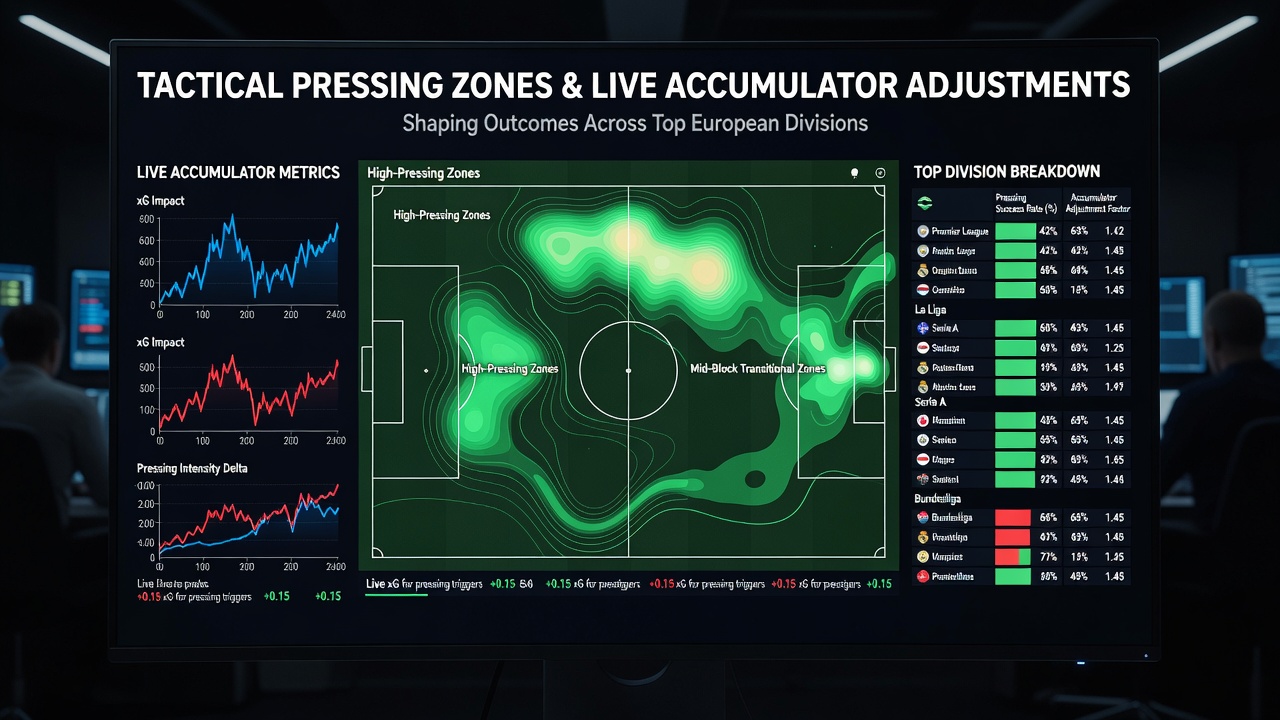
Each major league exhibits distinct pressing zone tendencies that shape accumulator strategies differently. Bundesliga sides frequently sustain high presses into deeper areas, leading to elevated turnover counts that accelerate live odds movements on both-teams-to-score selections. La Liga teams, by contrast, favor middle-block compressions that limit progressive passes and create conditions for low-scoring outcomes, prompting accumulator adjustments toward under 2.5 goals legs in midweek fixtures.
Champions League group stages combine these approaches, where managers rotate pressing triggers based on opponent profiles, and the resulting data flows into broader European betting markets. Reports from UEFA technical analyses highlight how zone-specific pressing correlates with fatigue indicators that affect second-leg accumulator viability, particularly when squad rotation influences the ability to maintain intensity across zones.
Academic work from sports science departments at universities in Canada has examined similar spatial data across multiple seasons, showing consistent links between pressing zone success and changes in expected points that feed into live market recalibrations. These findings align with observations from match analysts who track how early regains in high zones alter the trajectory of entire accumulator builds.
Integration with Broader Performance Metrics
Pressing zone effectiveness does not operate in isolation, and analysts combine it with metrics such as progressive carries and defensive line height to refine live accumulator models. When a side drops into a low block after an initial high press phase, the shift often coincides with reduced goal threat that influences over/under lines across multiple matches. Data indicates these transitions occur most frequently between the 60th and 75th minutes, a window when accumulator legs experience the sharpest odds movements.
Industry sources including reports from the Sports Betting Research Institute document how zone-based pressing data integrates with player workload tracking to predict second-half adjustments. Teams that maintain mid-block intensity without dropping numbers behind the ball show different accumulator impact patterns compared to those that retreat into deeper defensive shapes after early presses.
Conclusion
Tactical pressing zones continue to influence live accumulator adjustments through measurable effects on turnovers, territorial control and scoring sequences across Europe's leading divisions. Tracking systems provide the spatial data that drives these market recalibrations, while league-specific tendencies create varied opportunities for those incorporating zone metrics into their approaches. As the 2026/27 campaign unfolds, the interplay between pressing structures and in-play betting dynamics remains a key area of focus for analysts and market operators alike.