Penalty Box Interceptions Revealing Clean Sheet Value in Bundesliga Encounters
Harper Keller · Jun 15, 2026
Penalty Box Interceptions Revealing Clean Sheet Value in Bundesliga Encounters
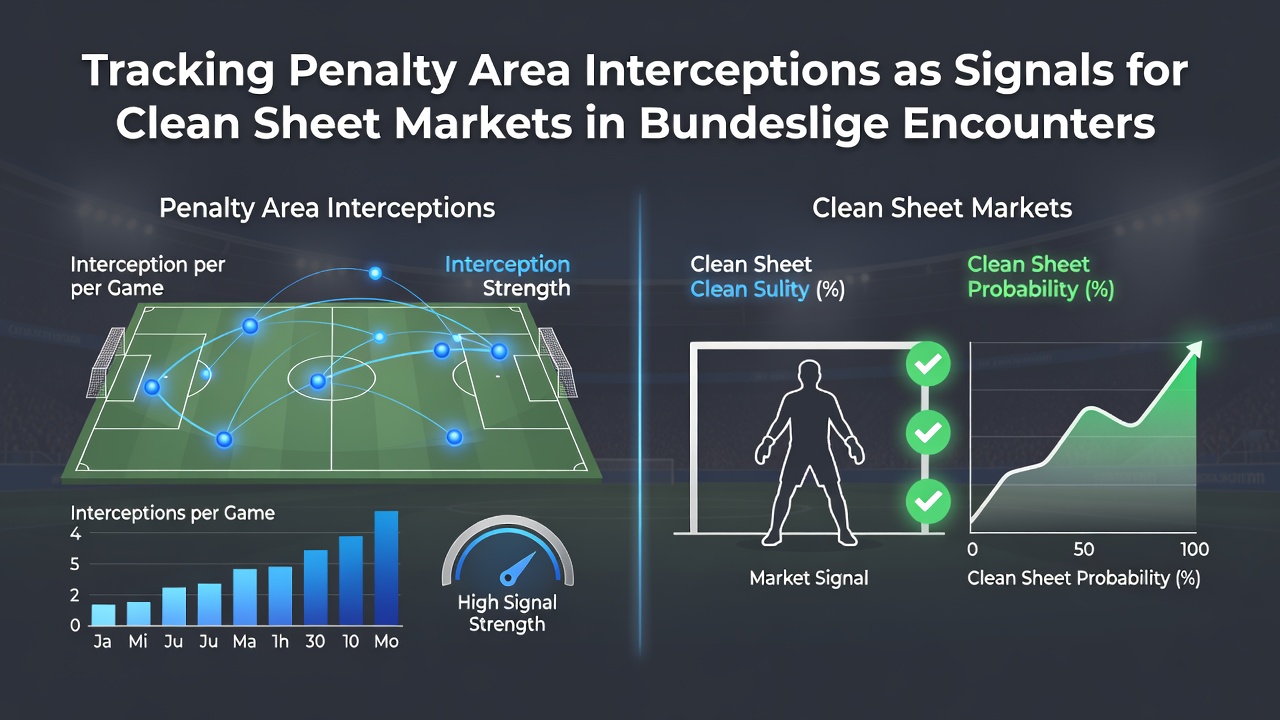
Analysts track penalty area interceptions as key indicators when evaluating clean sheet markets in Bundesliga fixtures, and data from recent seasons shows measurable patterns in how these defensive actions correlate with goalless outcomes for opposing sides. Teams that record higher volumes of interceptions within the 18-yard box tend to limit quality chances, which in turn influences the probability of clean sheets across the league schedule.
Defining Penalty Area Interceptions in Match Context
Penalty area interceptions occur when defenders cut out passes or through balls inside the box before attackers can shoot or control the ball, and these events differ from tackles or clearances because they prevent the initial entry into dangerous space. Bundesliga tracking systems record each instance with precise location data, allowing researchers to isolate actions that directly disrupt build-up play near goal. Observers note that such interceptions often cluster in matches involving compact defensive blocks, where midfielders funnel play into wide areas before retreating to protect the box.
League-Wide Trends Through Mid-2026
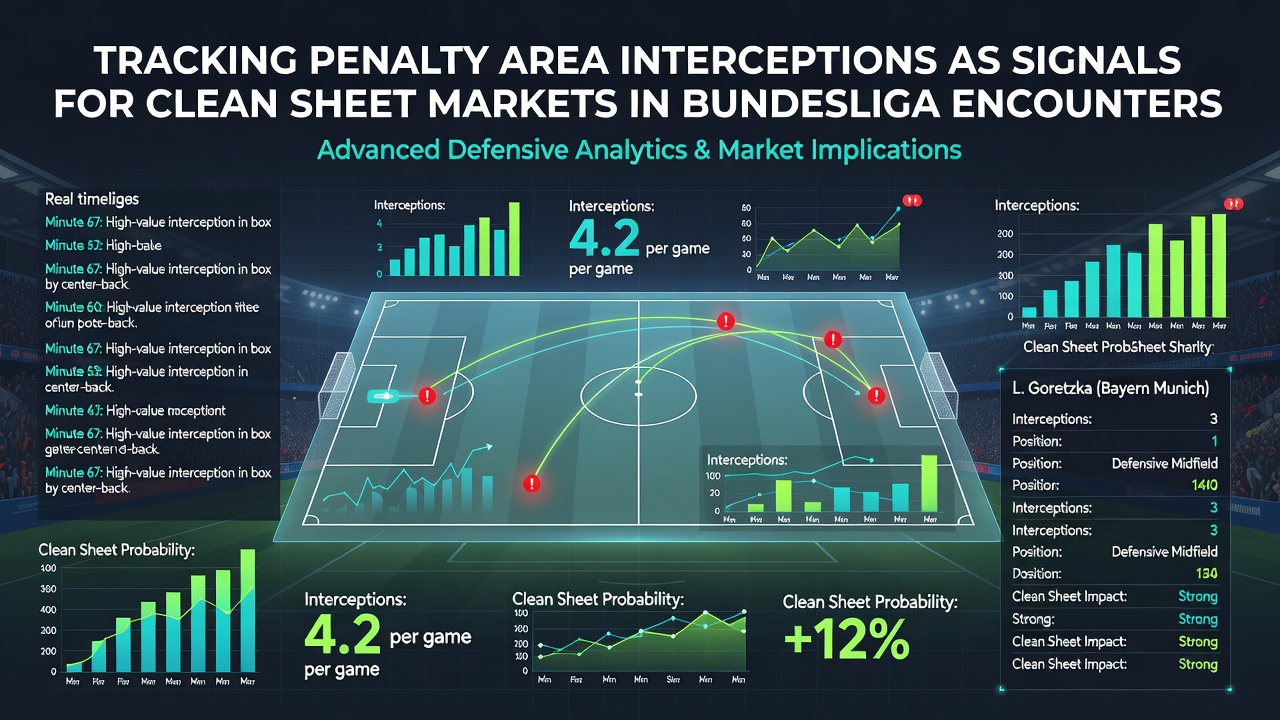
Figures from the 2025-26 campaign through June 2026 indicate that Bundesliga sides averaging above 4.2 penalty area interceptions per game posted clean sheet rates roughly 18 percent higher than the league mean, according to aggregated match files from official competition providers. High-pressing teams like those employing structured 4-2-3-1 formations generated more of these actions in the first half, while counter-attacking sides recorded spikes during transitions in the final 30 minutes. Data shows that matches with elevated interception counts in the box produced under 2.3 total goals on average, creating clearer signals for clean sheet betting markets.
Connecting Interception Data to Clean Sheet Markets
Market operators adjust odds for clean sheet propositions when pre-match models incorporate penalty area interception metrics, and bettors who review historical head-to-head logs often find edges in fixtures where one side maintains strong box protection numbers. A study published by researchers at the University of Leipzig examined 420 Bundesliga matches and identified that teams exceeding their seasonal interception average by 1.5 actions per game kept clean sheets in 47 percent of those encounters, compared with 29 percent when falling below the average. This relationship holds across home and away fixtures, though away sides require slightly higher interception thresholds to achieve similar outcomes.
What's interesting is how these numbers interact with opponent style, because teams facing high-possession sides record fewer interceptions yet still deliver clean sheets when their block remains compact. Conversely, matches against direct teams produce more interception opportunities, which inflates the raw count without necessarily improving clean sheet probability if the interceptions occur after the ball has already entered the box multiple times.
Practical Application for Match Analysis
Those reviewing upcoming Bundesliga encounters combine interception data with other defensive metrics such as aerial duel success and progressive pass prevention, and this layered approach sharpens projections for both full-time and half-time clean sheet lines. One case involved a mid-table clash where the home side posted 5.8 penalty area interceptions per game over the prior six matches, leading to clean sheets in four of those outings despite facing teams with strong attacking records. Analysts cross-reference these figures against expected goals models to isolate whether the defensive actions reflect genuine chance prevention or simply volume from sustained pressure.
European football analytics groups have begun publishing weekly reports that include box-specific interception rates, giving participants additional context beyond traditional possession and shot statistics. Australian sports data providers have also contributed comparative studies across European leagues, highlighting that Bundesliga sides exhibit higher variance in these metrics than their counterparts in more structured defensive environments.
Seasonal Variations and Fixture Congestion Effects
During periods of fixture congestion, interception rates in the penalty area tend to decline as fatigue affects positioning and decision-making, and this drop coincides with reduced clean sheet frequency in the latter stages of campaigns. Data from the 2024-25 winter break period showed a 12 percent drop in average interceptions for teams playing three matches in eight days, with corresponding increases in goals conceded from set pieces and cut-backs. Managers who rotate defenders strategically maintain interception output more effectively, which in turn stabilizes clean sheet probabilities across congested schedules.
Conclusion
Tracking penalty area interceptions supplies objective signals that inform clean sheet market decisions in Bundesliga encounters, and continued refinement of tracking technology will likely enhance the precision of these correlations. Teams and analysts who integrate location-specific defensive data with broader performance indicators gain clearer views of defensive solidity, while market participants benefit from teh additional layer of evidence when assessing probabilities across the league calendar.