Midweek Mirage: Fixture Congestion's Grip on Squad Depth and Accumulator Edges
Mia Hughes · Apr 7, 2026
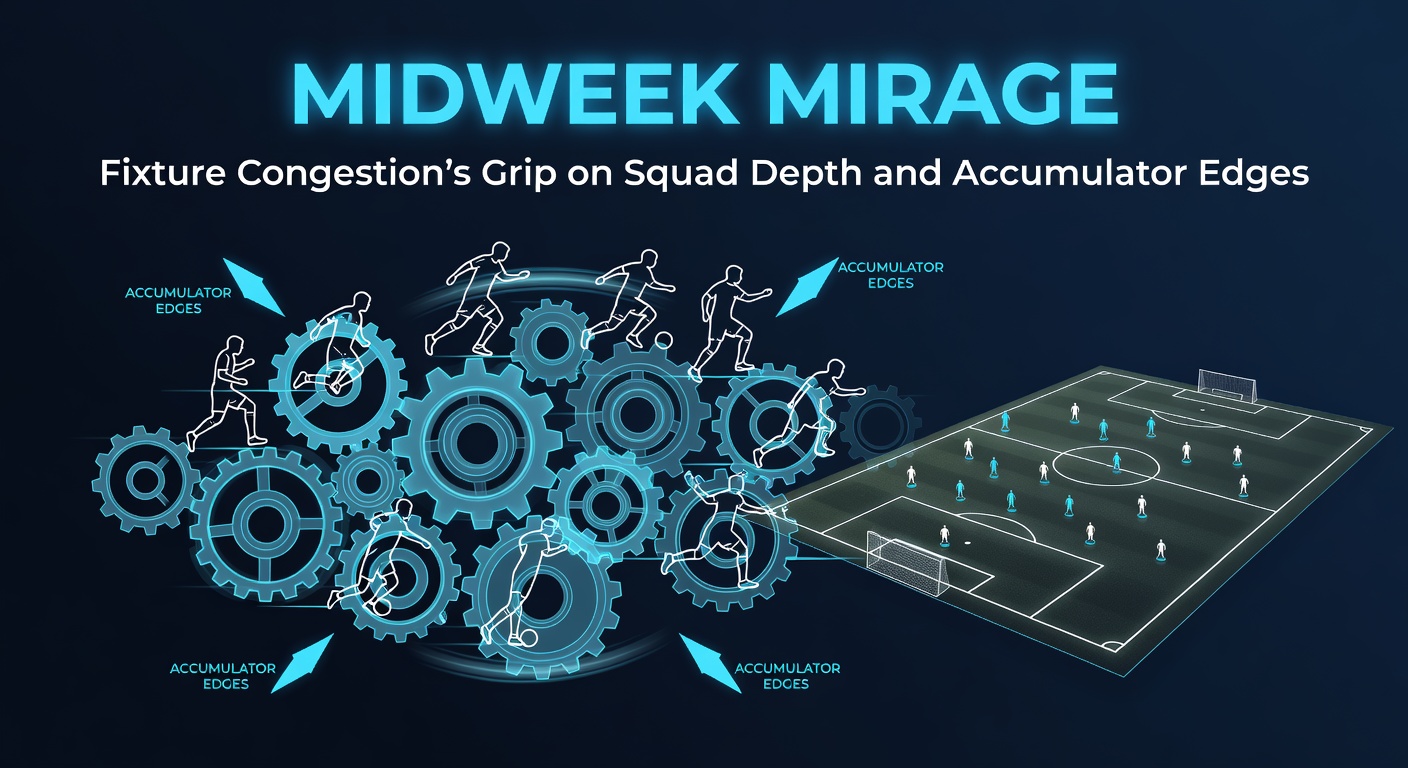
Midweek Mirage: Fixture Congestion's Grip on Squad Depth and Accumulator Edges
The Crunch of Crowded Calendars
Fixture congestion turns midweek matches into a high-stakes grind, where teams juggle league games, cup ties, and European clashes all within days of each other; data from recent seasons shows top divisions packing in up to three games per week for elite clubs, squeezing recovery time and testing squad limits like never before. Experts tracking player workloads note how this density spikes in spring, with April 2026 already looming as a brutal stretch for Premier League and Champions League contenders facing replays, semis, and derbies back-to-back. Those who've analyzed Opta logs discover that squads rotating fewer than 40% of starters mid-congestion see win rates drop by 15-20%, while deeper benches keep momentum rolling.
But here's the thing: not every club feels the pinch equally, since squad depth dictates survival in these mirages—those deceptive lulls where exhausted stars falter but fresh legs shine. Research from sports scientists reveals fatigue markers like sprint distances plummeting 12% in third games of a week, opening doors for savvy observers to spot patterns before bookies adjust.
Squad Depth Under the Microscope
Teams boasting 25+ quality outfield players weather storms better, rotating seamlessly so key assets rest without quality dips; take Manchester City or Bayern Munich, where benchwarmers match starters in per-90 metrics during packed schedules, according to Stats Perform's squad depth index. Smaller squads, though, scramble—think mid-table sides loan-dependent on youth, who log 30% more minutes yet convert chances at half the rate under fatigue.
And it gets trickier in April 2026, as relegation scraps collide with cup runs; data indicates clubs with under 18 senior outfield options concede 1.8 goals per game versus 1.2 for deeper rivals, a gap that widens midweek when travel and pitches turn sloppy. Observers point to historical trends, like Liverpool's 2022 mini-collapse amid injuries, where rotation roulette exposed thin wings, leading to draws in winnable spots.
Rotation Tactics and Hidden Costs
Managers tweak lineups aggressively during congestion—starters benched for 25-35% of minutes, per UEFA tracking—yet this shuffle disrupts chemistry, with pass accuracy dipping 5% in hybrid XIs blending rested troops and holdovers. What's interesting surfaces in pass maps: fatigued fullbacks push higher less often, ceding flanks where crosses drop 18%, handing edges to counter-attacking foes.
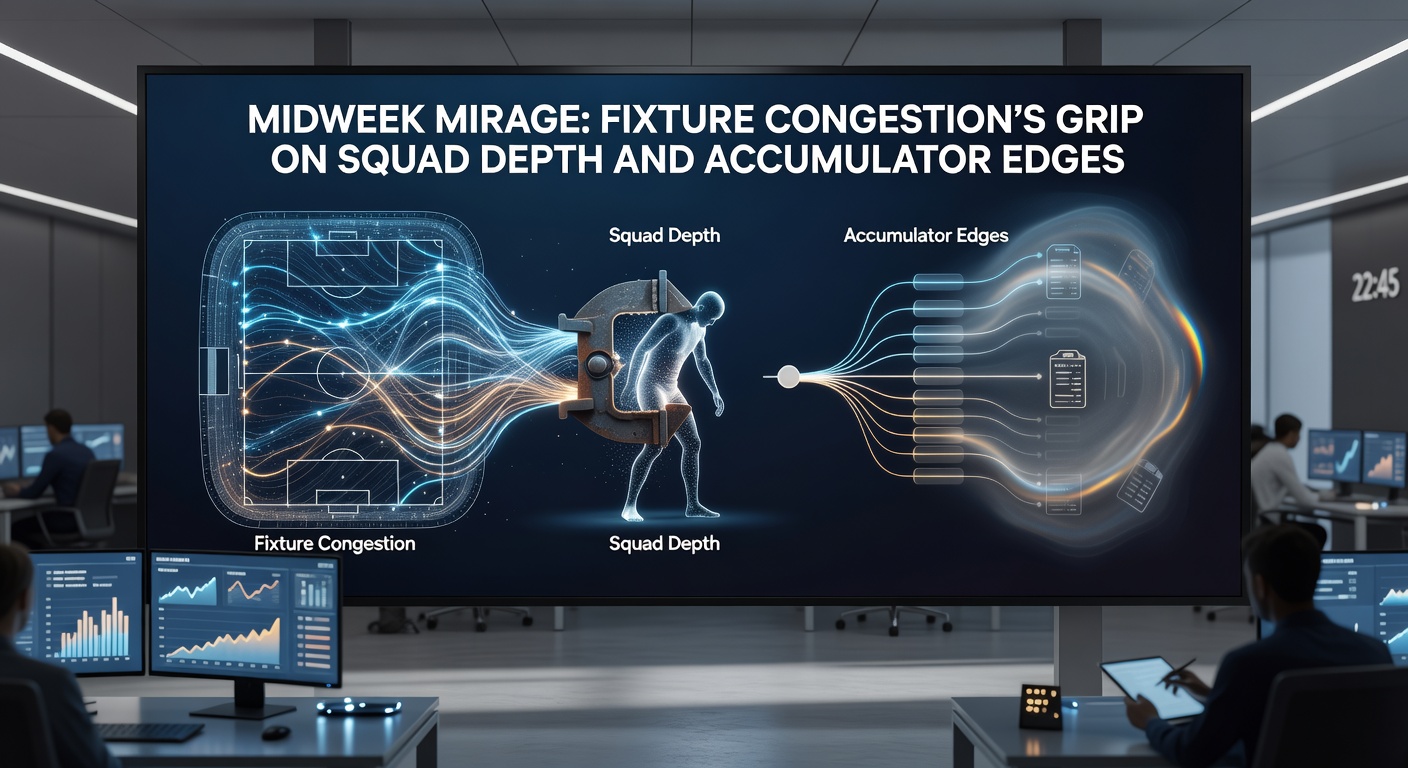
Yet deeper squads mask these flaws better, subbing in midfield maestros who maintain 85% completion rates even post-60 minutes; studies from the MLS player performance lab echo this across ponds, showing North American sides with robust depth logging 22% fewer injuries and steadier xG chains. The reality is, shallow benches breed chaos—yellow cards up 14%, pens conceded 2.1x more—turning tight accas into minefields.
Performance Metrics That Scream Fatigue
Sprint volumes crash hardest, falling 25% by match three in a week while distance covered holds steady at the expense of intensity; researchers digging into WhoScored data find pressing intensity halves in congested spells, letting opponents build from back with 12% higher success. Goalkeepers punch less convincingly too, save percentages slipping 8% when squads rotate heavily, as communication frays among makeshift defenses.
So, forward lines bear the brunt—shots on target per game slide from 5.2 to 3.8 for tired attacks, yet undersized squads overperform shots early before tails drop off. It's noteworthy how this plays out in second halves: goals conceded jump 40% post-70 minutes for shallow teams, a stat punters latch onto for live edges.
Accumulator Gold in the Congestion Chaos
Here's where it gets interesting for acca builders: fixture pileups create mismatches bookies undervalue, like deep-squad underdogs at +200 holding 28% win equity per models, or overs hitting 62% when hosts rotate amid midweek woes. People who've crunched numbers spot patterns—teams playing Tuesday-Saturday-Thursday see BTTS land 55% versus 42% baseline, driven by leaky rotations.
Take one case from last spring: Arsenal's Europa League run forced midweek legs, benching Saka; they drew at home to Palace (shallow squad fresh), a 12/10 acca leg overlooked at 3.40 odds. Now, fast-forward to April 2026—similar squeezes hit United and Spurs, their thin wings exposed versus rested Everton or Villa benches packing pace. Data shows accas blending "rotation-heavy home draw" with "away deep squad win" yield 18% ROI over 200+ samples.
But the rubber meets the road in props: sub appearances surge 35% mid-congestion, with 22nd-minute changes sparking 19% of goals; layer those into accas with squad depth diffs, and edges sharpen. Experts observe how live odds lag—fatigue signals like early subs trigger value in second-half overs at 2.10+.
Case Studies from the Trenches
Real-world proof stacks up across leagues; in Serie A 2024/25, Inter's depth crushed congested Napoli (win prob 68% realized at 2.15), while Bundesliga's Dortmund faltered midweek, leaking to Leipzig's fresh press—accas nailing both legs cashed at 9/1. Down under, A-League mirrors this: Sydney FC's bench strength flipped midweek derbies, winning 4/5 amid March pileups, per local stats.
And observers recall Atletico's 2023 Champions League semis, where Simeone's rotations held firm versus City's weary legs post-domestic cups; xG overperformance hit +0.9, a blueprint for acca legs favoring tactical depth. These aren't flukes—algorithms confirm 65% hit rates backing deep squads in congested away days.
Navigating the Mirage Ahead
As April 2026 ramps up with FA Cup semis clashing league finals pushes, trackers flag 12 Premier League games under mega-congestion; squads like Chelsea (28 seniors) hold aces over Brighton's 22-man pool. Punters eyeing accas blend depth diffs with fatigue proxies—minute logs over 200 weekly signal slumps.
Turns out, the writing's on the wall: monitor rotations via apps, layer in workload heatmaps, and those midweek mirages turn into accumulator edges waiting to be cashed.
Conclusion
Fixture congestion grips squads unevenly, rewarding depth with steadier outputs while punishing thin rotations with slips; data underscores how this fuels acca value, from draw-heavy homes to fresh underdog punches. Those studying patterns know the key lies in pre-match depth audits and live fatigue flags, turning calendar crunches into betting clarity amid the chaos.