Mid-Season Form Declines: Adjusting Accumulator Construction for Cross-League Play
Yves Wagner · Jul 23, 2026
Mid-Season Form Declines: Adjusting Accumulator Construction for Cross-League Play
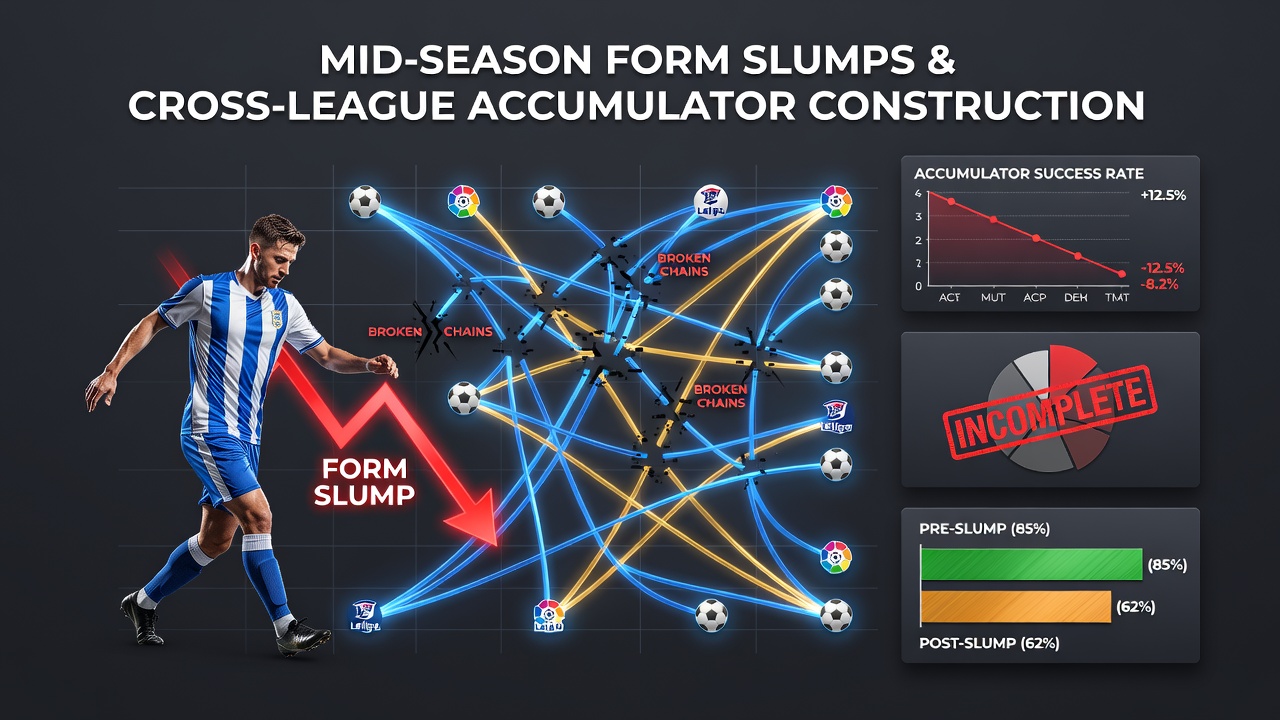
Football schedules create predictable pressure points each campaign, and mid-season form declines emerge as one of the most consistent patterns across Europe's top divisions. Teams that start strongly often encounter dips between December and March due to fixture congestion, injury clusters, and the physical toll of European commitments. These slumps alter team performances in measurable ways, which in turn shapes how accumulators spanning multiple leagues are built and adjusted throughout the winter months.
Recognising the Timing and Triggers of Form Slumps
Observers note that most leagues experience a noticeable shift after the winter break, with teams in the Premier League and Bundesliga frequently showing reduced output in the weeks that follow. Data from domestic fixtures indicates that win rates for previously dominant sides can drop by double-digit percentages during this window, while goal tallies per game fluctuate as squads rotate players and manage fatigue. The January transfer window adds another layer, since new signings require time to integrate and tactical adjustments disrupt established routines. Researchers tracking these trends across five major European leagues have documented similar patterns year after year, with the 2025/26 season providing fresh examples of how early leaders falter once the schedule intensifies again.
Cross-league accumulators rely on selecting outcomes from several competitions simultaneously, so these mid-season dips introduce variables that demand careful monitoring. A side performing well in domestic play may struggle in European ties, or vice versa, creating mismatches in expected results that affect accumulator legs. Those constructing such bets often review recent minute logs and substitution patterns to identify which teams are most vulnerable during this period.
Impact on Multi-League Bet Structures
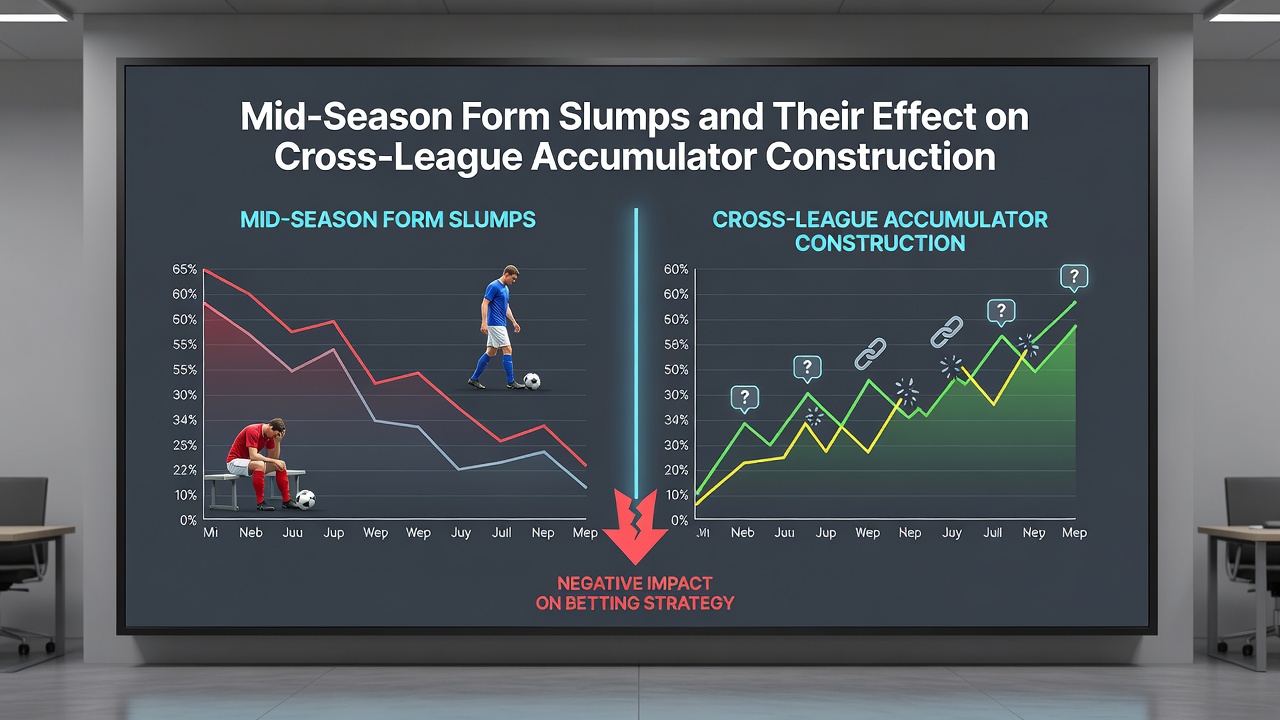
Form slumps influence accumulator construction by shifting probability calculations and forcing bettors to re-evaluate selections drawn from different leagues. For instance, a team experiencing a dip in Serie A might still offer value in certain markets when facing weaker opponents, while a Bundesliga side on a downturn could prove more reliable in over/under goals selections due to increased defensive lapses. Studies of historical data reveal that accumulators built without accounting for these mid-season patterns show lower overall success rates compared with those adjusted for recent performance trends.
What's interesting is how league-specific rhythms interact. The Eredivisie often maintains higher scoring rates even during slumps, whereas Ligue 1 encounters tend to produce tighter games as teams prioritise defensive organisation. This variation allows for more nuanced leg combinations when crossing leagues, yet it also raises the risk of unexpected results if one league's form curve diverges sharply from others. People building these accumulators frequently cross-reference fixture congestion calendars with player availability reports to avoid legs that coincide with peak fatigue periods.
Strategic Adjustments During Peak Slump Periods
Effective accumulator strategies incorporate real-time adjustments once mid-season dips become evident. This involves monitoring squad rotation announcements and tracking how managers respond to congested schedules. A manager who rests key players ahead of a European fixture may inadvertently weaken domestic form, creating opportunities in specific markets like Asian handicaps or draw-no-bet options. Evidence from multiple campaigns shows that such rotations correlate with measurable drops in expected goals and clean sheet percentages across affected teams.
Those constructing cross-league bets also examine head-to-head records adjusted for recent form rather than relying solely on season-long averages. A side that historically dominates a particular opponent may no longer deliver those results during a slump phase, prompting shifts toward alternative selections such as both-teams-to-score or under 2.5 goals. July 2026 preparations for the following campaign often begin with reviews of these patterns, allowing analysts to refine models before pre-season fixtures commence.
Data Patterns Across Competitions
Statistical reviews compiled by industry groups such as the European Gaming and Betting Association highlight how form variability increases during the January-to-March window in most top divisions. Accumulators that span the Premier League, La Liga, and Serie A benefit from diversified risk when legs are chosen with awareness of each league's typical slump characteristics. For example, defensive-minded teams in La Liga may concede more during fatigue periods, while attacking sides in the Bundesliga can produce higher goal tallies even when overall results suffer.
Additional research from the University of Nevada, Las Vegas International Gaming Institute supports the view that bettors who incorporate granular performance metrics achieve more stable outcomes over extended periods. This approach proves especially relevant for cross-league constructions, where a single overlooked slump can unravel multiple legs simultaneously.
Conclusion
Mid-season form declines remain a recurring feature of European football calendars, directly affecting how cross-league accumulators are assembled and refined. By focusing on timing, rotation patterns, and league-specific responses to congestion, those involved in accumulator construction gain clearer frameworks for navigating these periods. Data from completed seasons continues to underscore the value of adapting selections to current performance realities rather than relying on static season averages, ensuring strategies evolve alongside the teams and fixtures they cover.