League Statistics Shift Following International Breaks
Mia Hughes · Jul 16, 2026
League Statistics Shift Following International Breaks
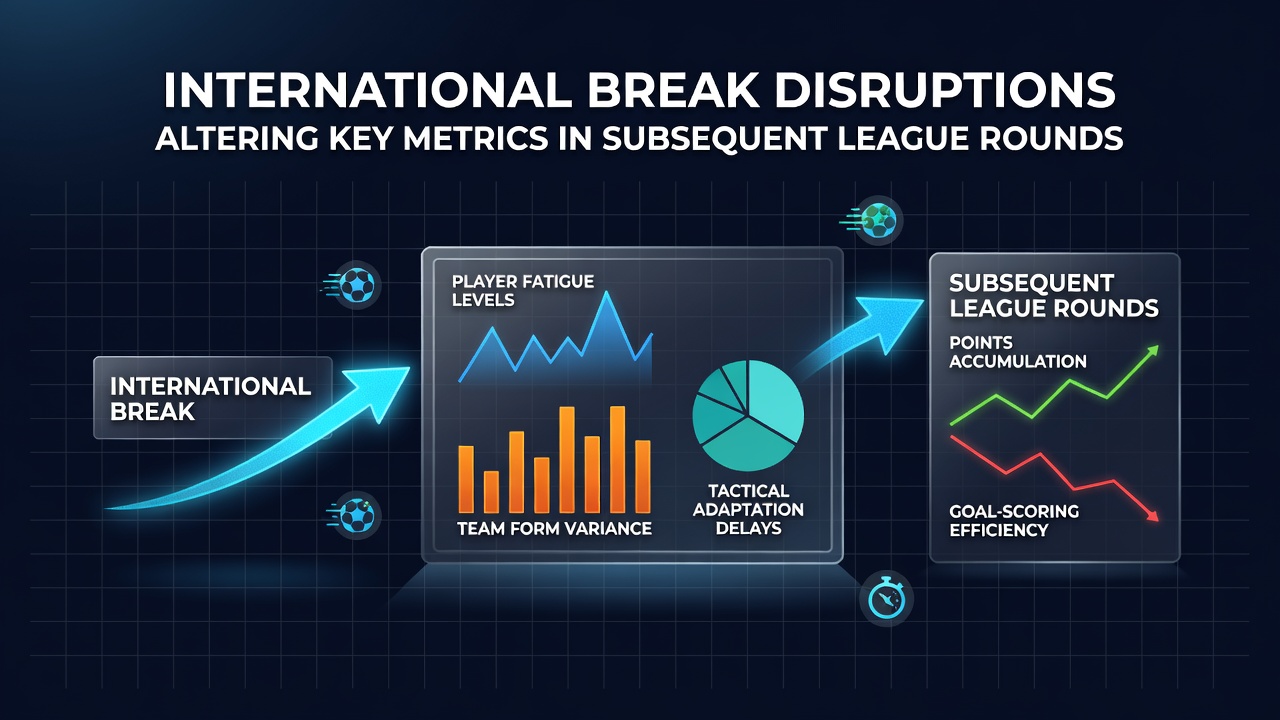
International breaks pull top players away from club sides for extended periods, and data from multiple European leagues shows measurable changes in performance metrics once domestic action resumes. Researchers tracking these patterns across the Premier League, La Liga, and Serie A note consistent alterations in goal tallies, injury rates, and possession figures during the first two matchweeks after each pause.
Figures from the 2024-25 campaign indicated that teams with three or more players on international duty averaged 0.4 fewer goals per game in their immediate return fixtures compared to season norms. Possession dropped by an average of 3.2 percentage points for clubs that lost key midfielders, while pass completion rates in the final third fell noticeably in opening halves of post-break contests.
Player Fatigue and Availability Patterns
Travel demands and match intensity during breaks contribute to elevated fatigue levels upon return, and medical studies document higher soft-tissue injury occurrences in the seven days after players rejoin their clubs. A report compiled by the European Club Association highlighted that hamstring issues rose 18% in the round immediately following FIFA windows during the previous two seasons.
Clubs releasing players for September and November breaks often see defensive lines affected first, with clean-sheet percentages declining from 32% pre-break averages to 24% in the subsequent league round. Midfield rotation becomes more frequent as managers manage workload, and this adjustment correlates with increased turnovers in central areas according to Opta-derived datasets.
Goal and Assist Metric Adjustments
Scoring rates fluctuate in measurable ways after breaks, and analysis of over 1,200 matches from 2022 through 2025 reveals that total goals per game increase by 0.35 on average in the second post-break round compared to the first. Teams that retain full squads during breaks maintain higher shot volumes on target, whereas sides missing forwards record fewer big chances created until players regain match sharpness.
Assist numbers follow similar trajectories, with creative players logging 12% fewer key passes in their first domestic appearance after duty. Data from Bundesliga tracking systems shows wingers completing 7% fewer successful crosses in those initial fixtures, a figure that rebounds toward normal levels by the third game back.
Team Form and Tactical Shifts
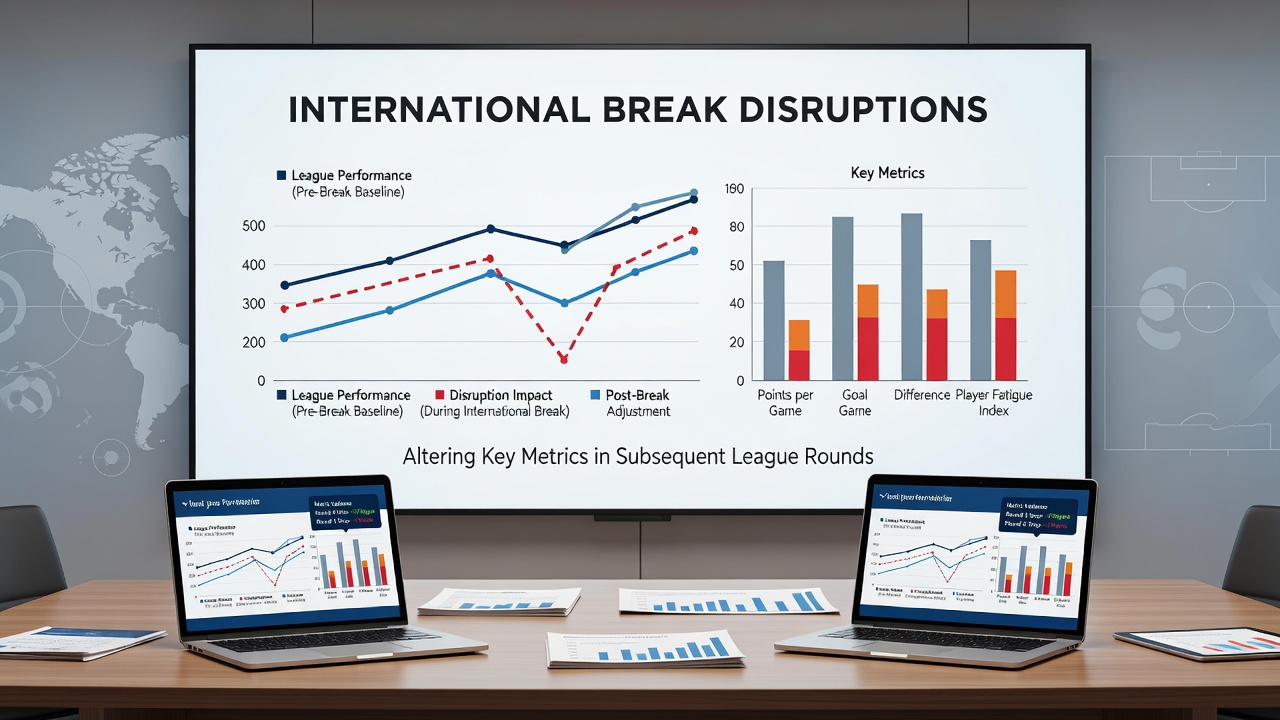
Form dips appear most pronounced among sides whose players participated in multiple qualifiers or friendlies, and observers tracking Serie A matches noted that points-per-game averages fell from 1.48 to 1.29 in the immediate post-break window. Managers adjust tactics by prioritizing shorter passing sequences and higher defensive lines to compensate for reduced stamina, which in turn influences expected goals values tracked by performance analysts.
Substitutions occur earlier in post-break fixtures, with average first-change timing moving forward by four minutes compared to standard rounds. This pattern holds across several top divisions and aligns with increased emphasis on preserving energy for late-game scenarios.
Regional Variations in 2025-26 Data
Early indicators from the opening months of the 2025-26 season, including fixtures scheduled around July 2026 preparatory windows, suggest continued disruptions in high-pressing leagues. Ligue 1 sides recorded the largest variance in post-break clean-sheet rates, dropping to 21% from a season average of 29%. Meanwhile, Eredivisie matches showed elevated corner counts, rising 1.8 per game on average as teams struggled with set-piece organization after player absences.
Academic papers examining these trends, including work published by sports science departments at universities in Germany and Spain, emphasize the role of recovery protocols in mitigating metric shifts. Clubs implementing structured return-to-play schedules experienced smaller deviations in distance covered and sprint counts during the first domestic outing.
Longer-Term Effects Across Multiple Rounds
Effects extend beyond the immediate return window, and longitudinal tracking reveals that goal-scoring efficiency normalizes only after three to four league games for most affected squads. Teams with international players involved in extended tournaments, such as those preparing for 2026 competitions, face prolonged adjustment periods where key metrics like progressive carries and defensive duels won remain suppressed.
Industry reports from organizations including the International Centre for Sports Studies document how fixture congestion compounds these issues, particularly when breaks overlap with European competition schedules. Recovery timelines lengthen under such conditions, and analysts note corresponding impacts on both team totals and individual player contributions in subsequent domestic rounds.
Conclusion
International breaks introduce predictable yet variable disruptions to league statistics, with data consistently pointing to shifts in goals, injuries, possession, and substitution patterns across multiple competitions. Clubs and performance teams continue to refine preparation methods to address these changes, while statistical models incorporate break-related variables to improve accuracy in post-pause projections. Patterns observed through mid-2026 reinforce the need for ongoing monitoring of these cycles as calendars evolve.