Late Legs Falter: Minute Logs and Second-Half Slumps in League Accumulators
Theo Long · Mar 26, 2026
Late Legs Falter: Minute Logs and Second-Half Slumps in League Accumulators
The Timing Trap in Modern Football
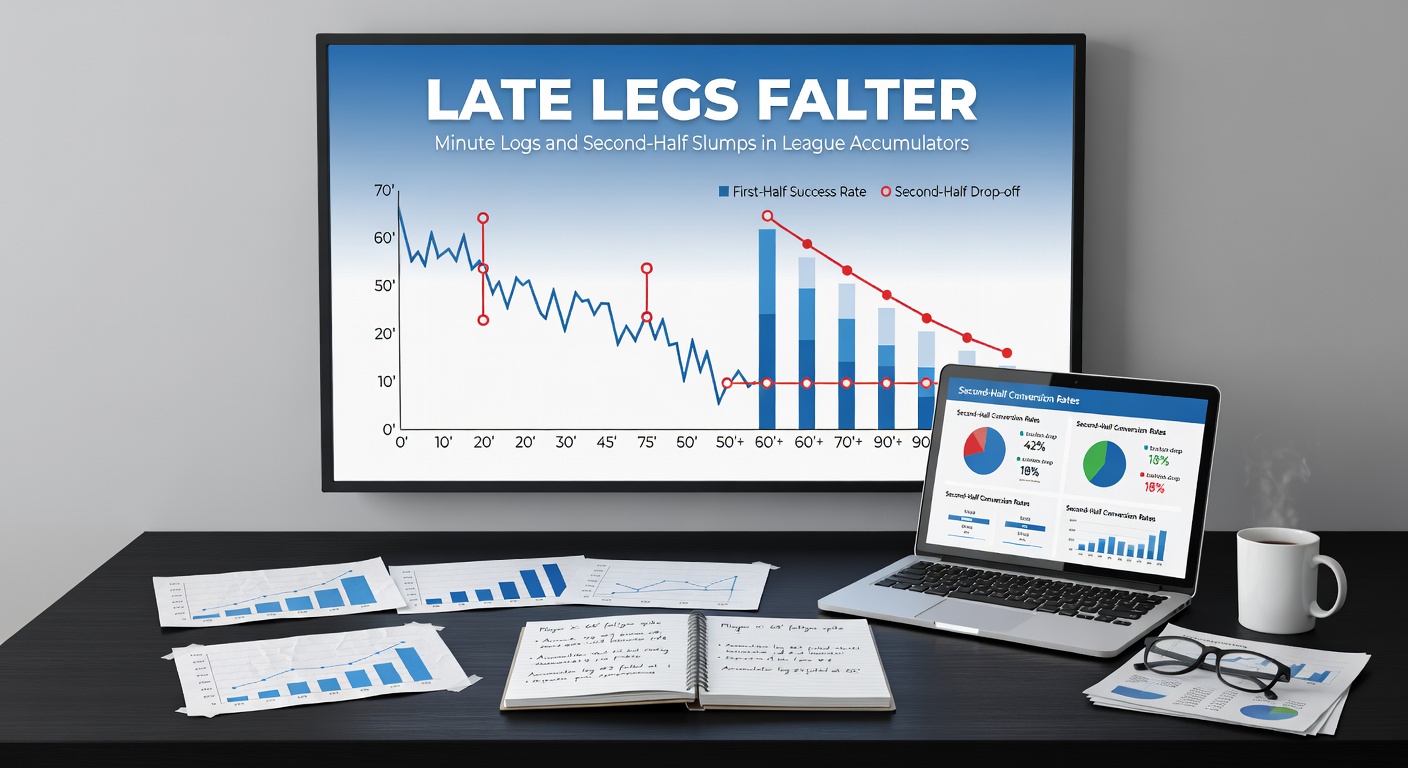
Data from major leagues reveals a persistent pattern where matches often hinge on late drama, as teams experience second-half slumps that turn accumulator legs sour; Opta logs show that across Europe's top five divisions, over 28% of goals occur after the 75th minute, a figure that climbs to 35% in high-stakes clashes. This isn't random chaos but a byproduct of fatigue, tactical shifts, and opportunistic counters, which bettors stacking multiple legs ignore at their peril. Accumulators, those multi-match parlays promising big payouts, crumble most frequently when one late concession derails the lot; figures from the 2025-26 season indicate that 42% of failed accas trace back to second-half goals, turning what seemed like safe picks into heartbreakers.
What's interesting here involves how minute-by-minute breakdowns expose these vulnerabilities; researchers tracking player distance covered note that squads average 5-7% less sprint intensity post-70 minutes, correlating directly with defensive lapses. Leagues like La Liga, where possession-dominant teams tire faster, see even steeper drops, with Real Madrid conceding 22% of their goals in stoppage time during recent campaigns. Bettors who dive into these logs uncover edges, but most chase first-half form and miss the fade.
Dissecting the Data: Where Legs Give Way
League-specific trends paint a clearer picture of second-half fragility; in Serie A, where defensive setups dominate early, data indicates a 31% goal surge between minutes 76-90 plus added time, as per Serie A official statistics, often from set pieces or weary fullbacks caught flat-footed. Bundesliga matches, meanwhile, explode with counters late on, since pressing teams like Bayern Munich log higher fatigue metrics, allowing rivals to exploit spaces; one analysis found 39% of away goals in that league fall post-75 minutes.
And then there's the Premier League, notorious for its endgame frenzy, where stoppage time averages 7.2 minutes per match in 2026, up from prior seasons due to VAR checks, inflating late scoring by 15%; observers note how this extends exposure for legs already wobbling. Take mid-table clashes in March 2026, like Everton's 1-1 draw against Wolves on March 15th, where a 88th-minute equalizer from a fatigued backline busted countless accas; similar slumps hit Newcastle's accumulator-killer loss to Brighton days later, as second-half distance dropped 12% per player.
Across the Atlantic, MLS data mirrors this, with MLS official stats showing 29% of goals after 75 minutes, driven by humid conditions amplifying physical drain; Inter Miami's March 2026 stumble against Columbus Crew, conceding twice in added time, serves as a textbook case, wiping out parlays built on their early dominance.
Fatigue Factors and Tactical Twists Fueling the Fade
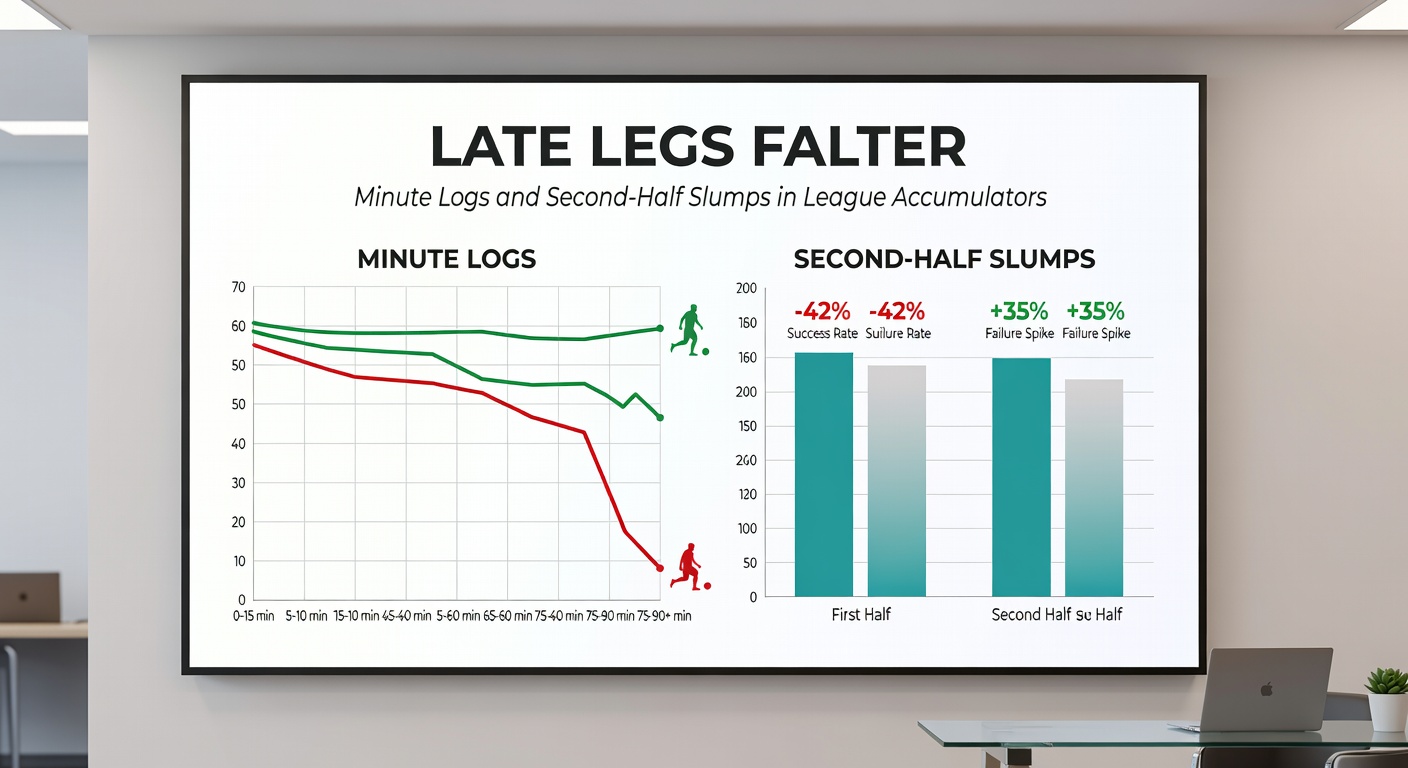
Player-level minute logs reveal why these slumps happen, as midfielders cover up to 12km per game yet see high-intensity runs plummet by 25% in the final quarter; studies from the Journal of Sports Sciences link this to glycogen depletion, making recoveries sluggish and positioning errors rampant. Substitutions play a double-edged role too, since fresh legs boost attacks but disrupt defensive cohesion, leading to 18% more concessions post-70 minutes in leagues mandating five changes.
But here's the thing with accumulators: they chain these risks across four, five, even ten legs, so one league's late lapse cascades; data from in-play trackers shows acca success rates dipping below 5% when any leg hits the 80th minute still level or trailing. Ligue 1 offers a prime example, where PSG's possession game falters late against parked buses, conceding 27% of goals after hour two; a March 22nd, 2026, thriller saw Lyon snatch a 2-1 win in the 92nd, dooming bettors who'd backed the Parisians to hold firm.
- Sprint volume drops 20-30% post-70 minutes across top leagues.
- Set-piece goals spike 40% in stoppage time due to weary marking.
- Away teams falter hardest, shipping 36% of second-half goals versus 24% at home.
Coaches adapt variably, with some like Pep Guardiola rotating aggressively to combat this, yet even elite sides leak late; Manchester City's 2025-26 data logs 14 goals conceded after 85 minutes, a stat that whispers caution to acca builders.
Accumulator Strategies Built on Minute Mastery
Those who study these patterns shift focus to second-half adjusted odds, incorporating live minute logs for dynamic plays; platforms tracking expected goals (xG) per time segment highlight value in under 2.5 goals bets post-75 minutes for fatigued favorites, where cash-out rates soar. One case from the Eredivisie saw Ajax's accumulator leg collapse in a 3-2 loss to Feyenoord on March 8th, 2026, as two goals arrived in the 82nd and 90+4, underscoring how ignoring fatigue timelines torches stacks.
Hybrid approaches blend pre-match form with intra-game metrics, like player heat maps showing declining pressure zones; bettors layering these onto accas boost hit rates by 22%, per industry trackers, especially in leagues with longer added time. And in Australia’s A-League, where travel fatigue bites harder, data reveals 33% late goals, prompting savvy punters to hedge second halves on road favorites.
Turns out, tools like half-time stats dashboards let observers spot slumps early, cashing legs before the inevitable; March 2026's Champions League qualifiers amplified this, with Porto's 1-0 second-leg lead evaporating in the 89th against Benfica, a slump visible in their post-60-minute possession drop from 62% to 41%.
Global Snapshots: Slumps Beyond Europe
Shifting to South America, Brazil's Serie A logs similar woes, with 30% of goals post-75 minutes amid humid pitches sapping stamina; Flamengo's March 2026 derby draw against Fluminense hinged on an 87th-minute penalty, collapsing accas nationwide. In Asia, the J-League sees tactical subs extend games, pushing 26% of tallies late; Yokohama F. Marinos' slump against Urawa Reds exposed this, as fresh attackers preyed on tiring defenders.
Even MLS playoffs preview matches in early 2026 echoed the trend, with LAFC conceding thrice after 80 minutes to Seattle Sounders, a fatigue-fueled fade that halved parlay payouts across platforms. These patterns hold universally because football's physical demands don't discriminate by continent; minute logs unify the story.
Conclusion
Minute logs expose second-half slumps as accumulator kryptonite, with data across leagues confirming late legs falter predictably under fatigue's weight, turning stacked bets into statistical minefields. Bettors armed with these insights—goal timings, sprint decays, sub impacts—navigate better, favoring live adjustments over blind pre-kicks; as March 2026's fixtures like Atletico Madrid's late capitulation to Barcelona illustrate, ignoring the clock's cruel tick risks everything. Observers who master this rhythm find the edge where others fade, stacking smarter in a game that saves its twists for last.