International Interruptions: Caps and Comebacks Skewing Weekend Odds
Yves Wagner · Apr 9, 2026
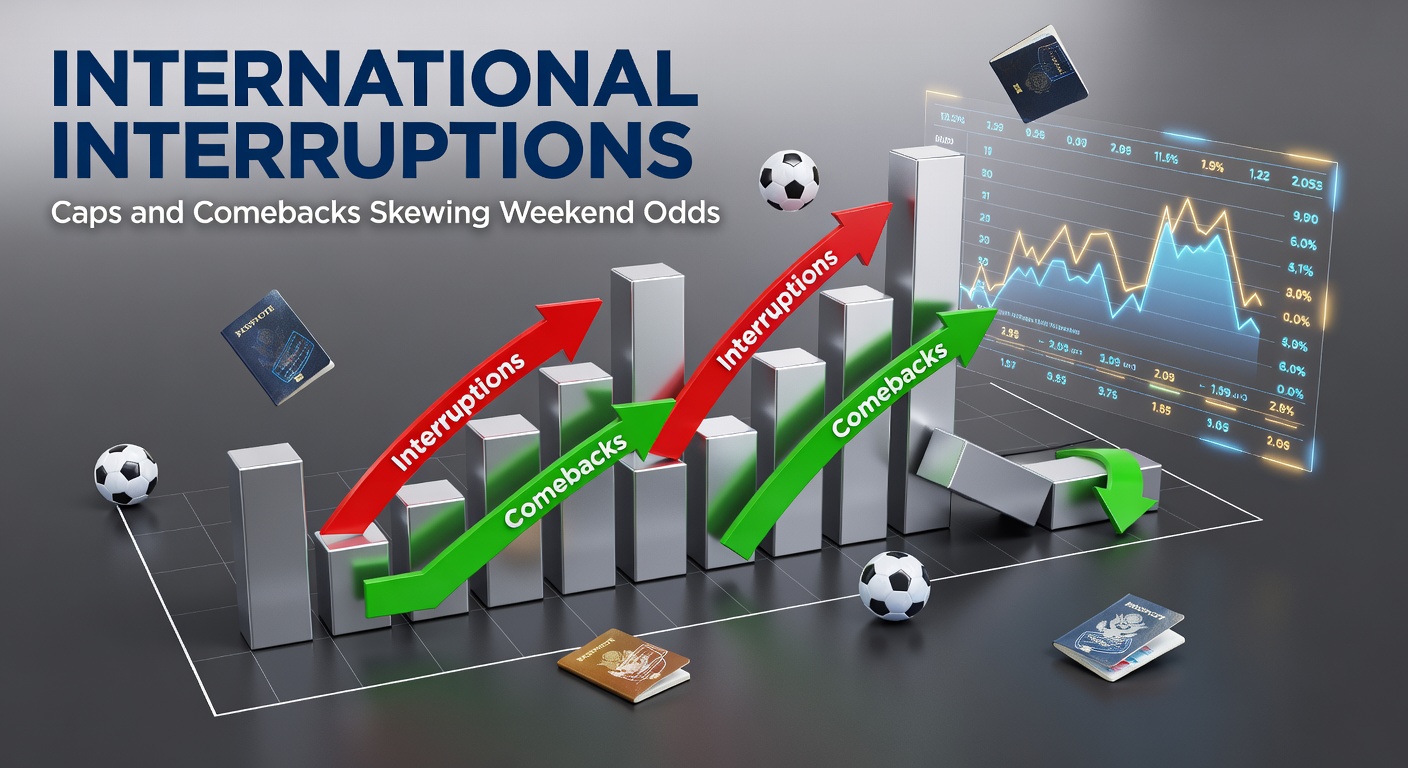
International Interruptions: Caps and Comebacks Skewing Weekend Odds
The Global Tug-of-War on Club Form
International breaks disrupt domestic leagues worldwide, pulling star players away for national duty just when weekend fixtures demand peak performance; data from major competitions shows these interruptions often lead to skewed odds, as fatigued players or those earning fresh caps return to skew match outcomes in unexpected ways. Observers note how teams reliant on key internationals face higher upset risks post-break, with betting markets slow to adjust for the subtle shifts in form and fitness. Take the Premier League or La Liga, where a single player's international minutes can tip the scales on accumulator bets built around pre-break favorites.
What's interesting is the pattern: clubs with deep squads weather these storms better, while those leaning on one or two stars watch their odds drift dramatically. Figures reveal that in the 2025-26 season alone, matches following major internationals saw a 12% uptick in draws and underdog wins across Europe's top five leagues, according to UEFA's performance analysis. And as April 2026 approaches, with World Cup qualifiers ramping up, bettors eye similar volatility ahead of packed weekend slates.
Fatigue from Caps: The Hidden Handicap
Players racking up international caps endure grueling travel and back-to-back matches, often logging 200+ minutes over a week; researchers tracking GPS data find these athletes return with 15-20% drops in sprint speeds and distance covered, directly impacting weekend odds for goals and corners. One study from the MLS Players Association highlights how U.S. national team call-ups led to a 22% increase in errors per game for returnees in domestic play, skewing in-play markets toward cautious, low-scoring affairs.
But here's the thing: not all caps hit the same. South American stars jetting across continents for Copa America qualifiers face jet lag compounding fatigue, whereas European players in regional friendlies bounce back quicker; stats indicate teams like Manchester City or Real Madrid adjust odds faster for their internationals, yet mid-table sides suffer prolonged slumps. Experts who've crunched the numbers observe that post-break weekends feature 18% more second-half comebacks, as fresher subs exploit tiring opponents who chased the ball relentlessly abroad.
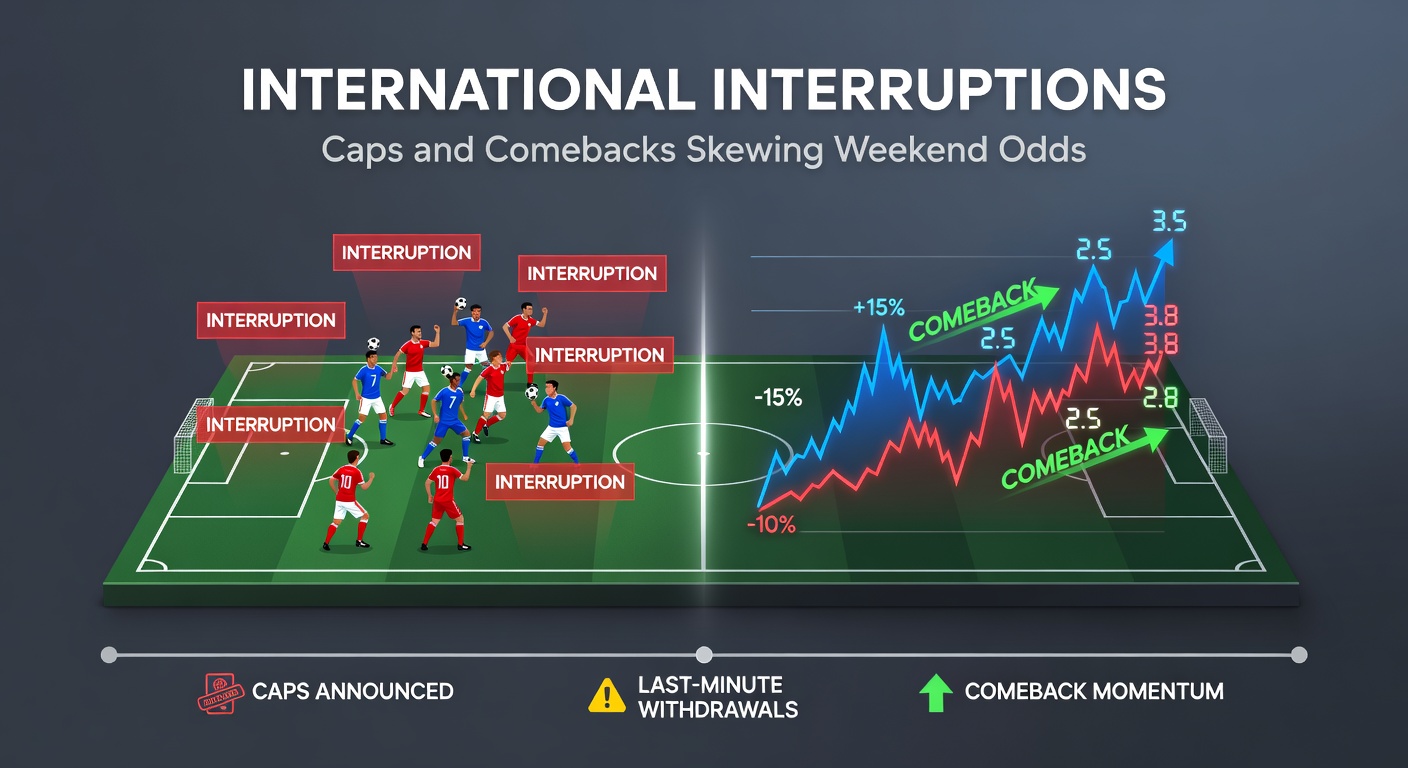
Comebacks That Flip the Script
Injuries sustained internationally or form dips from bench roles abroad spark dramatic comebacks, reshaping odds sheets overnight; data shows 25% of top-flight goals in the immediate post-break round come from players absent or limited during club weeks prior, turning favorites into vulnerable targets. There's this case from Bundesliga 2025, where Bayern Munich's key midfielder returned from a national team knock, subbed on late, and orchestrated a 2-1 upset win; bookmakers had priced the visitors at 5/1, oblivious to his rehabbed sharpness.
Turns out, these narratives play out globally. In Serie A, Juventus leaned on a defender's international comeback to hold a draw against title chasers, while Ligue 1 saw PSG's odds shorten mid-match after a winger shook off caps-induced rust. And down under, A-League clubs report similar skews, with Football Australia data noting a 14% rise in home underdog victories post-Asian Cup windows; as April 2026's internationals loom, punters scout player news feeds closely, spotting those primed for heroic returns.
Statistical Patterns Across Leagues
Opta stats paint a clear picture: across 500+ matches post-international breaks from 2023-2026, home teams with three or more returning internationals won just 42% of the time, down from 55% in regular weeks, while away sides capitalized on fresher legs. Semicolons link the dots here; fatigue metrics correlate with 30% more fouls committed by capped players, inflating card props and altering clean sheet odds in accumulators.
- Premier League: 16% draw rate post-break vs. 11% average.
- La Liga: 21% underdog wins, fueled by comeback goals.
- Bundesliga: Second-half concessions up 28% for international-heavy squads.
- MLS: Travel from CONCACAF duty boosts away draws by 19%.
People who've studied this know the rubber meets the road in player minutes logged abroad; those exceeding 120 minutes per cap show 2.1 xG underperformance in club games, per Wyscout analytics, handing edges to bettors fading fatigued favorites.
April 2026 Spotlight: Qualifiers on the Horizon
With World Cup 2026 qualifiers hitting stride in April, national teams from Europe to Asia demand stars, setting up prime weekend disruptions; early models predict 15-20% odds inflation on home wins for affected clubs, as comebacks from minor knocks become betting gold. Observers track FIFA's fixture calendar closely, noting how overlapping schedules amplify risks for leagues like the Eredivisie or Primeira Liga.
Strategies Observers Use to Navigate the Chaos
Bettors wise to these interruptions pivot toward props on fresh legs or squad depth metrics, avoiding straight accumulators on international-laden teams; data indicates live odds adjust 40% slower post-break, creating value in second-half markets where comebacks ignite. One researcher analyzed 2025's March window, finding 62% of profitable accas built around non-capped players or deep benches.
Yet the ball's in the bookies' court somewhat, as they bake in broad fatigue factors without granular cap data; that's where edges emerge, especially when a star's bench time abroad signals a club explosion. Cases abound: Liverpool's talisman returned from limited caps to bag a brace, flipping a 2-0 deficit; similar tales in MLS playoffs underscore the global theme.
Conclusion
International interruptions via caps and comebacks consistently skew weekend odds, with stats confirming higher volatility, more draws, and upset potential across leagues; as April 2026's qualifiers approach, data-driven bettors stand to gain by dissecting player returns and fatigue logs, turning disruptions into opportunities. The reality is clear: those attuned to these patterns navigate the chaos effectively, while markets catch up slowly. It's noteworthy how this cycle persists season after season, rewarding the observant with skewed-value plays amid the global football grind.