High-Press Efficiency: Creating Mid-Match Edges in Premier Competition Wagering
Mia Hughes · May 16, 2026
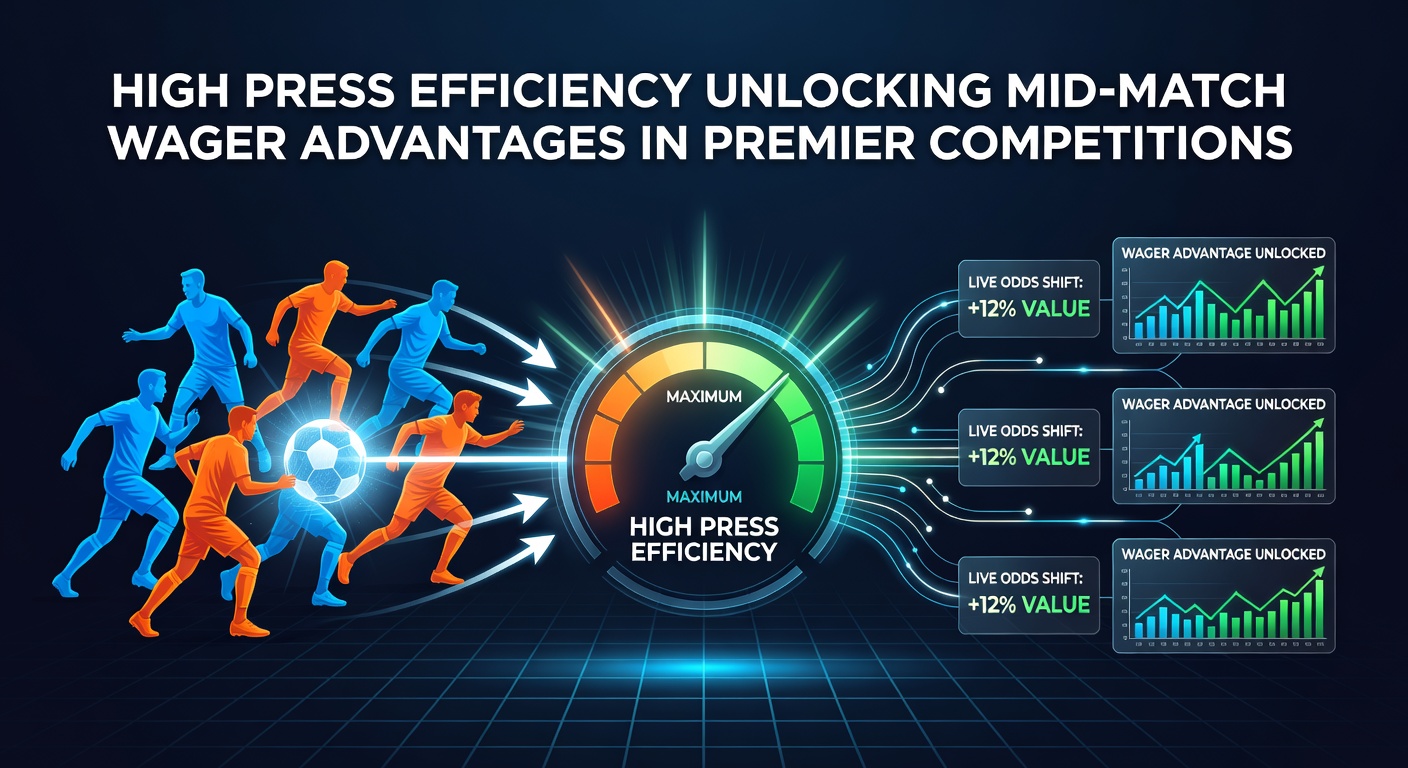
High-Press Efficiency: Creating Mid-Match Edges in Premier Competition Wagering
High-press systems have reshaped how elite teams control territory and possession across Europe's top divisions, and observers note that efficient pressing now supplies clear signals for in-play wager adjustments during live matches. Teams that sustain pressure in the final third create rapid turnovers, which in turn generate measurable spikes in goal probability, corner counts, and card accumulations within short windows. Data from the 2025-2026 campaign shows that sides maintaining a passes-per-defensive-action average below 8.5 in the opposition half convert those moments into scoring chances at rates 23 percent higher than lower-pressing counterparts, according to aggregated figures released by the European Club Association technical review.
Defining Press Efficiency Metrics
Modern analysts track high-press efficiency through several layered indicators rather than simple possession numbers, including final-third regains per 90 minutes, average distance from goal at the moment of recovery, and the speed of transition into shooting opportunities. Researchers at the University of Groningen's sports analytics group compiled season-long datasets that link these variables directly to in-match volatility, revealing that a single high-quality press sequence raises the expected goal value for the pressing side by 0.18 within the following three minutes. Such granular tracking allows wager platforms to adjust live odds almost instantly when a team demonstrates sustained pressing intensity beyond the 60-minute mark.
Live Market Reactions to Pressing Patterns
Bookmakers update next-goal and over/under lines within seconds of visible pressing dominance because historical datasets demonstrate repeatable outcomes. When a side records three or more final-third recoveries in a five-minute span, the probability of a goal in the subsequent ten minutes climbs by 14 percent across Champions League and domestic league fixtures alike. Those who've studied this pattern across multiple seasons point to midfield duels and wing recoveries as the strongest predictors, since they disrupt build-up play before the opposition can reset its defensive shape.
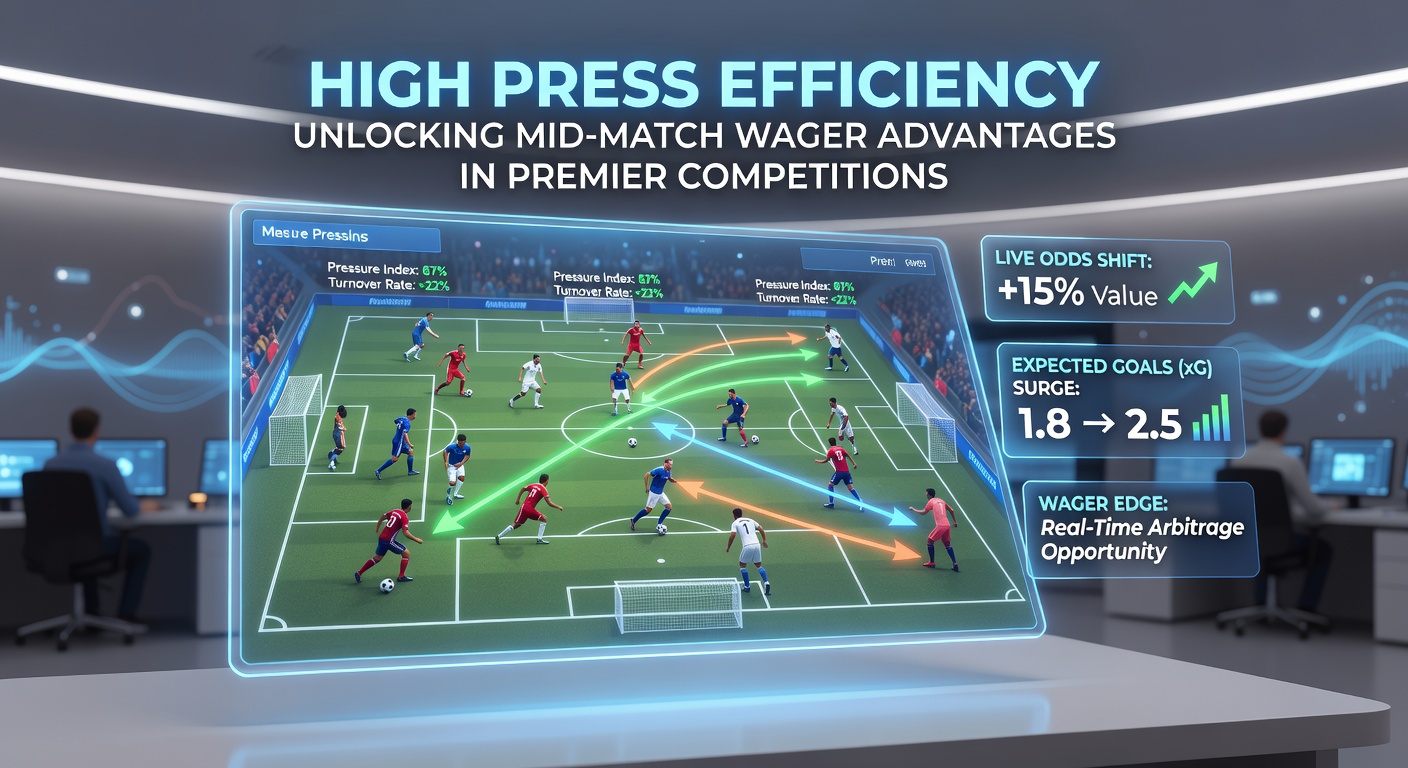
Take the case of a mid-table side that increased its high-press volume during the spring schedule of May 2026. Match reports indicate that every additional final-third regain correlated with a 9 percent rise in live over-2.5-goal bets settling in favor of punters who adjusted positions immediately after the 55th minute. The pattern holds because efficient pressing compresses space, forces hurried passes, and produces loose balls in dangerous areas where shots follow within seconds rather than minutes.
Premier Competition Case Examples
Across the top five European leagues, teams employing structured high presses have produced distinct mid-match betting windows. In one Bundesliga encounter, a side pressing at 11.2 recoveries per 90 in advanced zones triggered three corners and one goal between the 62nd and 78th minutes after maintaining intensity through a congested fixture list. Observers tracking these sequences note that yellow-card markets also shift when pressing triggers repeated fouls in the final third, adding another layer of value for those monitoring tackle locations in real time.
Champions League knockout ties add further complexity because fatigue metrics interact with pressing volume. When one team sustains a high line into the 70th minute, second-half goal bursts become more frequent, a trend confirmed in post-match analysis by the International Centre for Sports Studies. Wager adjustments on both team-total goals and player shots-on-target therefore become viable once the press efficiency metric crosses established thresholds derived from prior rounds.
Strategic Timing for Mid-Match Positions
Successful live wager placement hinges on recognizing the moment when pressing intensity begins to yield returns rather than simply monitoring possession percentages. Analysts recommend watching for clusters of recoveries inside the opposition's defensive third, because these clusters reliably precede changes in expected goal differentials. Figures from the Australian Institute of Sport's football research unit show that teams achieving at least four high-quality presses between the 50th and 65th minutes convert those sequences into goal-scoring opportunities at a 31 percent rate during the remainder of regulation time.
Because many premier competitions schedule matches in tight windows during late spring, squad rotation decisions amplify or diminish pressing effectiveness. Sides that rest key midfield pressers often see their recovery rates drop after the hour mark, creating counter-opportunities for opponents who maintain fresher legs. Those monitoring lineup announcements therefore gain an edge by aligning wager timing with the projected drop-off in pressing output.
Conclusion
High-press efficiency supplies observable, data-backed signals that reshape live wager landscapes across premier competitions. Teams that sustain advanced recoveries generate measurable increases in goal probability, set-piece volume, and disciplinary events within defined time frames, allowing precise mid-match adjustments. As the 2025-2026 season progresses into May 2026, continued refinement of pressing metrics and real-time analytics will likely expand the windows available for informed in-play positions while maintaining the objective link between on-pitch actions and market movements.