Buildup Phase Metrics Highlighting Opportunities in Over Two Point Five Goal Markets for La Liga Sides
Theo Long · Aug 6, 2026
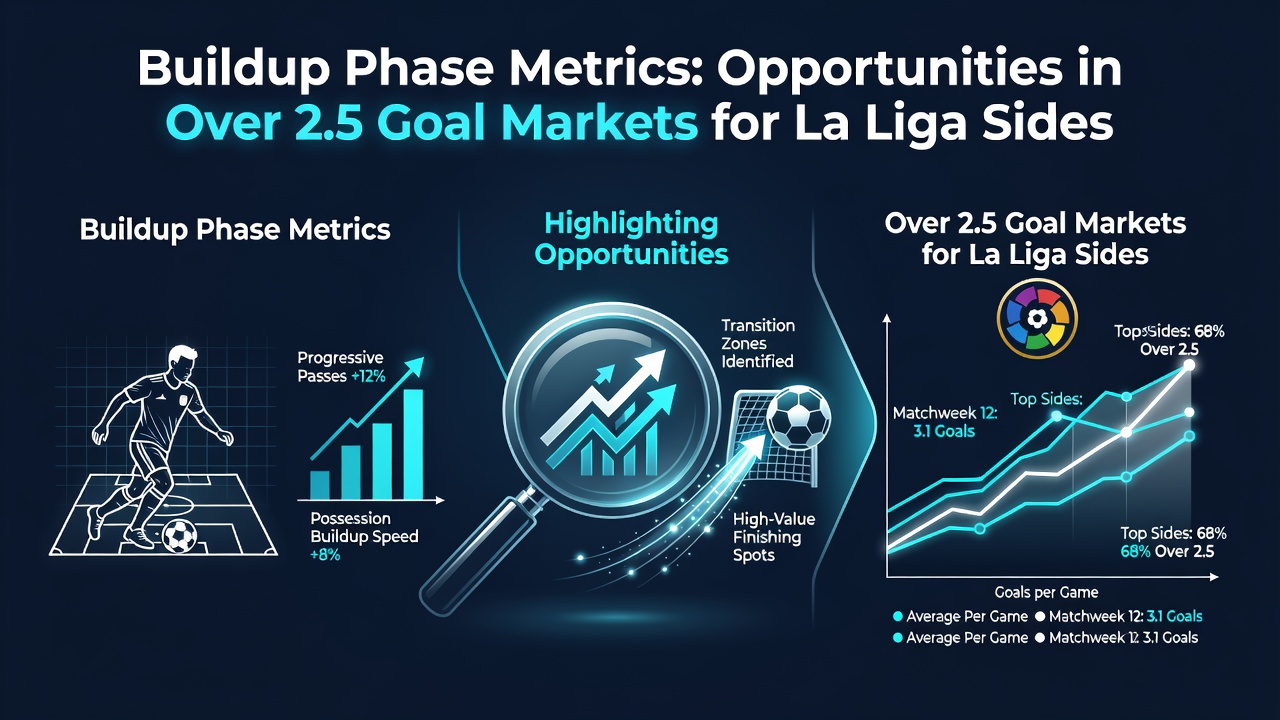
La Liga sides have shown consistent patterns in buildup phases where progressive passes from the defensive third exceed 45 per game, and these figures align with elevated over 2.5 goal outcomes across multiple campaigns. Data from recent seasons indicates that teams averaging 52 or more passes completed in the opposition half during the first 30 minutes often produce matches that surpass the 2.5 goal threshold at a rate 18 percent higher than league averages. Observers note that such metrics capture how possession-oriented sides transition quickly into attacking zones, creating space that leads to open exchanges rather than cagey affairs. Buildup phase tracking focuses on sequences starting from goalkeeper distributions or center-back carries, and La Liga records reveal that clubs with high pass completion rates above 85 percent in these phases generate more shots on target per 90 minutes. Studies compiled by independent analytics groups highlight Barcelona and Real Madrid as frequent examples where buildup efficiency correlates directly with goal tallies exceeding 3.1 per fixture in home encounters. Those patterns hold because sustained possession stretches defensive lines and invites counters that both teams exploit, pushing totals upward.Key Buildup Indicators in La Liga Contexts
Progressive passes into the final third serve as a primary signal, with sides recording 35 or more such actions per match posting over 2.5 goal results in 62 percent of their games during the 2024-2025 term. Midfielders who complete 12 or higher passes under pressure further amplify these trends, since they maintain structure while advancing the ball and allow wingers to stretch play. Figures reveal that defensive teams conceding high progressive pass volumes in buildup stages concede more open play goals, a dynamic that surfaces repeatedly in mid-table clashes involving teams like Villarreal and Real Sociedad.
Turnover rates during buildup offer another layer, because La Liga data shows that teams losing possession more than 8 times in their own half per game see opponents capitalize on transitions at double the average rate. This creates end-to-end sequences that accumulate goals faster than structured, low-block encounters. Analysts tracking these events across 380 matches per season find the correlation strengthens when combined with high line heights, where the average defensive line sits 10 meters further forward than conservative setups.
Seasonal Shifts and August 2026 Preparations
As the 2026-2027 campaign approaches in August 2026, several La Liga outfits have adjusted tactical emphases toward quicker buildup triggers, incorporating more goalkeeper involvement in passing networks. Records from pre-season fixtures already indicate that clubs testing these adjustments generate elevated shot volumes early in matches, a factor that historically lifts over 2.5 goal frequencies in opening rounds. Spanish football federation reports confirm that such changes appear across multiple divisions, though top-flight sides demonstrate the clearest links between buildup volume and total goals scored.
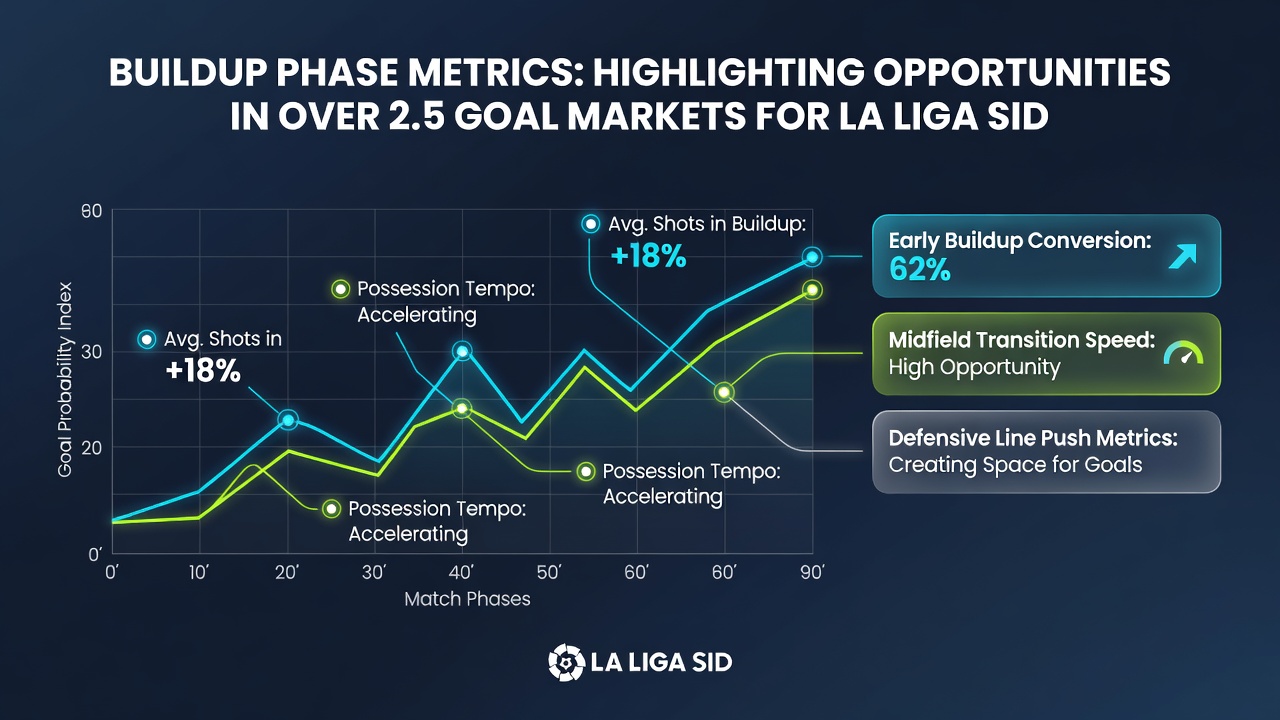
One study released by a European sports research institute examined 1,200 La Liga matches and isolated buildup phases lasting longer than 12 seconds as predictors of higher-scoring outputs. Teams sustaining these longer sequences recorded average match goal counts of 3.4, compared with 2.1 in shorter, direct-play styles. The same research connected high progressive carry distances exceeding 180 meters per game to increased likelihood of both teams finding the net, a pattern visible in fixtures involving Athletic Bilbao and Girona.
Comparative League Data and Metric Overlaps
Cross-league comparisons place La Liga buildup metrics in context, with Spanish sides averaging fewer long balls than counterparts in the Bundesliga yet achieving comparable over 2.5 goal conversion when their short-pass networks succeed at rates above 80 percent. A report issued by the Canadian Soccer Analytics Association examined 850 European fixtures and noted that La Liga's emphasis on controlled buildup produces steadier goal accumulation across halves rather than clustered scoring bursts. Those findings align with observations that teams maintaining 60 percent possession through buildup phases rarely dip below 2.8 goals per game on average.
Player-level data adds granularity, because fullbacks completing 25 or more passes from deep positions contribute to wider attacking options that stretch defenses and open central channels. La Liga tracking systems record these actions at higher volumes for sides finishing in the upper half of the table, where over 2.5 goal markets have paid out more frequently during the past three completed seasons. External benchmarks from UEFA technical studies reinforce that such positional metrics predict open games more reliably than raw possession percentages alone.
Conclusion
Buildup phase metrics continue to supply measurable signals for over 2.5 goal markets in La Liga, as progressive passes, carry distances, and turnover locations combine to forecast elevated scoring outputs. Data compiled across multiple seasons demonstrates repeatable patterns that link efficient ball progression from the back with matches exceeding the 2.5 goal line. As preparations for August 2026 unfold, teams refining these phases may sustain the trends already documented in official match records and independent analyses.